Danish researchers have successfully vacuumed DNA from the air in three nature areas, detecting dozens of local species without seeing them. The technology brings Denmark closer to large-scale biodiversity monitoring, but uncertainty remains about when it can replace traditional field surveys.
I’ve watched scientists count birds in Denmark for years. It’s a meticulous, time-consuming process. Now a team from the University of Copenhagen has taken a different approach: they hung plastic boxes with fans in trees and let them suck in air for hours. The filters inside captured invisible traces of wildlife.
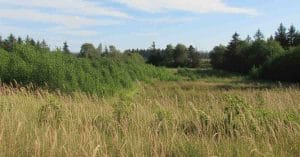
The method worked. In Kalvebod Fælled on Amager, the DNA vacuum picked up genetic traces of teal, snipe, bearded tit and lapwing. In Lille Vildmose in North Jutland, it found eagle owl, great spotted woodpecker, bullfinch and European bison. On the forested island of Æbelø, it detected white-tailed eagle, tawny owl and fallow deer.
From Zoo Experiment to Real Nature
The research group first demonstrated the technology at Copenhagen Zoo in 2022. As reported by Ritzau, they have since refined it for outdoor use. Across two new studies published in Communications Biology and Methods in Ecology and Evolution, they tested different filter types, airflow rates and storage temperatures to improve detection rates.
The results suggest the signal is local, not random. “In our studies, we don’t see DNA from animals that should only be found many kilometers away,” says postdoc Kasun Bodawatta from Globe Institute. “That indicates the signals reflect local wildlife and that the method has become more precise.”

The Promise of Invisible Monitoring
Traditional biodiversity surveys in Denmark rely on trained observers. They spend hours in the field identifying species by sight and sound. The process is expensive and doesn’t scale well across landscapes. Environmental DNA changes that equation. Animals shed genetic material constantly through skin cells, hair, feathers and droppings. The DNA vacuum collects these traces and sequences them in the lab.
The latest field work recorded 52 bird species, 19 mammals and one amphibian across the three Danish sites. A follow-up study in Lille Vildmose alone identified 54 birds, 18 mammals and an amphibian. That’s a lot of species from a few hours of air filtration.
“We hope DNA vacuuming can become a method that functions as an extra tool in the toolbox,” says senior researcher Kristine Bohmann. The aim is to map species presence, track conservation efforts and detect threatened or invasive species before they become problems.
What This Means for Denmark’s Nature Goals
Denmark and the rest of the EU must restore at least 30% of degraded ecosystems by 2030 under the Biodiversity Strategy. That requires monitoring on a scale that traditional methods can’t cover. Air-borne DNA offers a potential shortcut, especially for insects and other small organisms that are hard to track but critical for ecosystem function.

Naturstyrelsen and Miljøstyrelsen have already tested environmental DNA in forests and Natura 2000 sites. The long-term goal is integration into the national monitoring programme, NOVANA. Local projects in places like Kalvebod Fælled serve as testbeds for that future.
Caveats and Limitations
The technology is not a magic bullet. DNA degrades quickly in sunlight, heat and moisture, so detection mainly reflects recent presence. Weather, habitat type and sampling design all affect results. Contamination is a risk, both in the field and in the lab. Every project requires negative controls and replication to avoid false positives.
More importantly, detecting DNA doesn’t tell you how many individuals are present. It’s presence or absence data, not a population count. For many insect species, reference databases remain incomplete, so the vacuum may detect DNA but only identify it to family or genus level.
“DNA should complement, not replace, classical field surveys,” Danish researchers have stressed in technical reports. At least for now. The method is still being validated for each species group before it can be used as primary evidence in environmental decisions or development permits.

The Human Question
DNA vacuums can also collect human DNA. That’s treated as contamination and discarded in current projects, but it raises privacy questions as sequencing becomes more powerful. Could these datasets someday identify individuals without consent? Legal scholars have flagged the issue, though no regulation currently addresses it in Denmark. Research teams say their analytic pipelines target mitochondrial markers used for species identification, not forensic markers.
Where This Goes Next
The Copenhagen team is now studying how animal DNA spreads through space and time. That knowledge is essential for turning the vacuum into a practical biodiversity tool. They also plan to test the method in tropical climates, where species diversity and DNA degradation rates differ dramatically from Denmark.
For expats who hike Danish nature reserves, the technology is both impressive and slightly uncanny. The idea that invisible genetic traces surround us, waiting to be filtered and decoded, feels like science fiction. But it’s happening now, in forests and wetlands across the country. Whether it leads to better protection of Denmark’s declining wildlife depends on how quickly the method matures and how willing authorities are to act on what the data reveals.

Sources and References
Ritzau: Fra Nordjylland til Amager: DNA-støvsuger afslører det lokale dyreliv i dansk natur
The Danish Dream: Kalvebod Fælled: A Stunning Sanctuary Blending Urban Beauty and Wild Nature Near Copenhagen
The Danish Dream: Kalvebod Fælled: Discover Copenhagen’s Breathtaking Natural Sanctuary and Wildlife Haven
The Danish Dream: Lille Vildmose: Denmark’s Largest Bog