Denmark will spend around DKK 400–450 per resident on culture in 2026, roughly half the per capita level of Sweden’s culture, media and democracy budget, even as the new culture minister publicly rejects criticism of her priorities and media appearances in a country where people of foreign origin account for roughly 15–16 percent of the population but are scarcely mentioned in cultural policy documents or budgets.
The numbers tell a stark story. Denmark’s 2026 state budget sets aside DKK 2.3 billion for culture, translating to about DKK 390 per person per year across a projected population of 5.9 million, according to Statistics Denmark population projections. Sweden, by contrast, allocates around DKK 860–920 per resident in its 2026 culture, media and democracy budget, based on the Swedish government’s budget proposition for Utgiftsområde 17 and currency conversion. That gap matters when internationals are increasingly part of Danish society, yet no publicly available Culture Ministry or StatBank tables break down cultural spending or participation by citizenship, origin or native language.
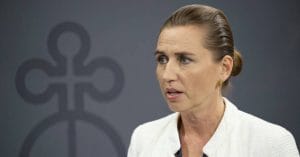
The new minister recently defended the culture package against critics who question whether rescue funding for select museums and theatres is enough. The four-year lifeline agreement locks in DKK 180 million for institutions including Rudersdal Museum, Aalborg Teater, Museet Køn and Nordjyllands Historiske Museum. That works out to roughly DKK 45 million per year, or about DKK 7.60 per resident annually in targeted support.

Heritage over inclusion in Danish cultural policy
The budget arrives alongside a national architecture policy built on eight dogmas, including explicit commitments to prioritise beauty, renovation over new construction, and cultivating local values and cultural heritage, as reported by Kristeligt Dagblad. Some architects and planners have warned that a strong focus on beauty and heritage could sideline newer or more diverse urban forms. For the roughly 15–16 percent of Denmark’s population with foreign origin, according to Statistics Denmark, cultural and architecture policy currently emphasise heritage and aesthetics and do not set measurable targets for linguistic access or programming by origin.
No data, no accountability
Statistics Denmark tracks the foreign-origin population in detail, yet no publicly available Culture Ministry or StatBank tables break down cultural spending or participation by citizenship, origin or native language. Compared with Germany’s and the Netherlands’ explicit cultural diversity programmes, Denmark does not have a national cultural policy framework with published, origin-specific participation targets. Most cultural institutions operate primarily in Danish, and international residents mainly access them on general terms or via occasional folkeoplysning projects under wider integration budgets.

Museum sector representatives told Politiken the four-year grants are not sustainable and only paper over structural gaps rather than solve them. According to Finance Ministry budget annexes, state operating grants to museums have changed little in nominal terms in recent years, implying a real-terms decline estimated at around 8–10 percent once inflation is taken into account. Debates about who gets to shape Danish culture are recurring in media and politics, raising questions about the direction of cultural investment.
What internationals can do
Foreign residents have limited formal levers but some practical ones. Municipal cultural strategies regularly involve consultations or hearings where residents can argue for multilingual programming or inclusive curation. Many museums and theatres receiving state funding have boards or advisory councils where community representatives can be involved.
DR’s Audience Council accepts feedback on representation and language barriers, primarily in Danish but written English input is commonly accepted in practice. Folkeoplysning associations and evening schools can apply for project grants to bridge cultural gaps, such as bilingual events or neighbourhood cultural mapping. Those wanting to track priorities can monitor committee hearings at ft.dk or use borgerforslag.dk to advance citizen proposals, provided they gather enough signatures.
With per capita cultural spending below Sweden’s and no regular official reporting of cultural participation broken down by origin or citizenship, the trajectory so far leans toward heritage-focused policy rather than measurable inclusion.