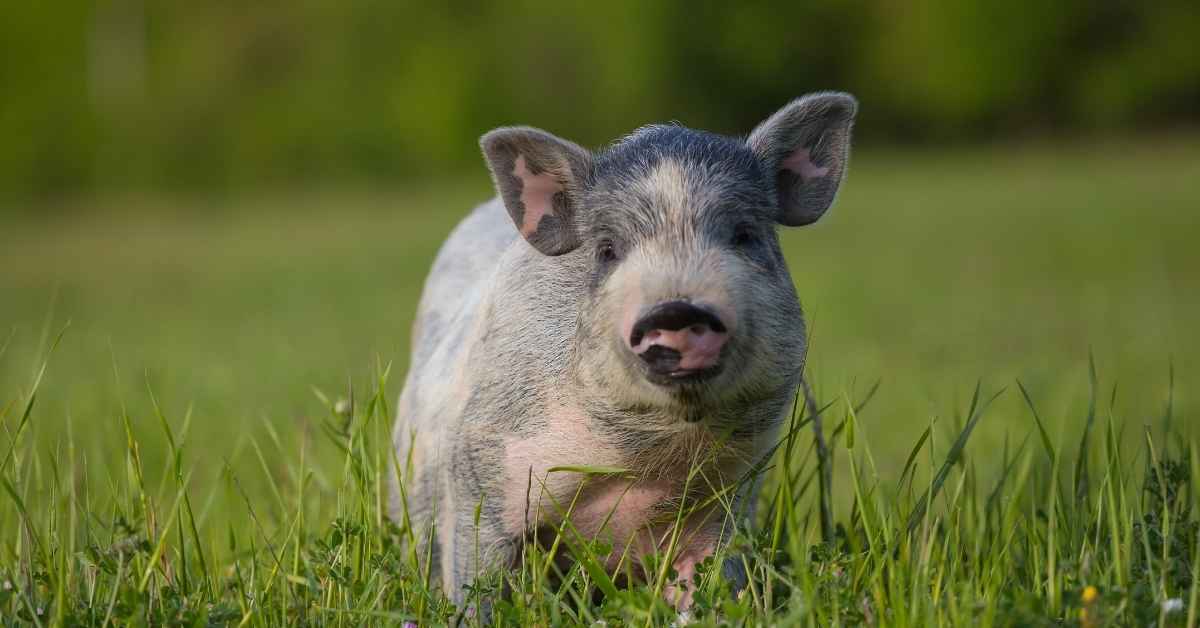
Denmark’s organic pig farms have fallen by roughly a third in the past decade, even as Parliament demands a concrete plan to expand organic agriculture by 2030—leaving the country with fewer farmers to deliver the “more økologi” politicians promise. When a trained physiotherapist decides to trade the clinic for a pig pen, it usually makes for a charming human-interest story. But behind the career change lies a stubborn numbers problem: Denmark is losing organic pig producers at a marked rate, just as Christiansborg has ordered the government to deliver a plan showing how the country will hit its organic targets. According to Statistics Denmark’s StatBank livestock data, the number of organic pig holdings has fallen by about one third between 2015 and 2025, while total organic farms declined far less over the same period. That is not a broad collapse of organic farming. It is a specific exodus from organic pig production.  Denmark has historically ranked among the world’s top countries for organic food consumption. According to Økologisk Landsforening, Switzerland has now overtaken Denmark in organic share of retail food purchases, while Austria is close behind. Organic Denmark, however, reports that Denmark still holds the highest organic retail market share of any country, at 11.6 percent in 2024, making international comparisons dependent on which metric is used.


Four Years of Shrinking Organic Land
Organic agricultural area in Denmark peaked in 2021 and has since fallen by almost 11 percent, according to analysis by Økologisk Landsforening of Statistics Denmark data. The current level stands at roughly 280,000 hectares, down from around 313,000 hectares at the peak. The organic share of total production area slipped to approximately 11.4 percent by 2025, reversing a long upward trend, according to Statistics Denmark figures compiled by Økologisk Landsforening. In the same period, around 239 organic holdings disappeared, according to figures compiled from the Styrelsen for Grøn Arealomlægning og Vandmiljø. For internationals who moved to Denmark expecting a green food system rooted in Danish work culture and environmental values, fewer organic pig farms means less local supply, higher prices, and longer supply chains.
Parliament Sets a Deadline, Farmers Wait for Demand
In early 2025, Folketinget adopted decision B 103, which explicitly orders the government to present a plan with concrete measures by mid 2026 showing how Denmark will meet its organic goal. That same spring, Parliament approved Aktstykke 334, setting the budgetary framework for organic land support in 2025 and 2026. According to Landbrugsstyrelsen, the current basic rate for organic land support stands at 1,493.53 kroner per hectare, roughly 200 euros. Farmers converting to organic can receive an additional supplement of 1,763.56 kroner per hectare for up to two years. Those who reduce nitrogen use get 716.44 kroner per hectare, while fruit and berry growers can claim 4,408.78 kroner per hectare. But subsidies alone do not keep farms viable. One organic farmer noted in a widely shared video that the government wants more organic production, but the market side must appear in the same legislation as the production side. Without parallel efforts to boost demand and exports, Danish organic pork risks being undercut by cheaper conventional meat or imports from other EU countries operating under the same regulatory framework.Why Organic Pig Farming Is Harder
Work life balance is one thing. Organic pig production is another. As confirmed by Fødevarestyrelsen, EU Regulation 2018/848 and Danish organic law impose strict rules on stocking densities, outdoor access, feed sourcing, and veterinary treatments. Annual inspections monitor compliance. Small farms face the same administrative burden as large ones, and organic production typically delivers lower yields at higher cost. Mainstream agricultural organisations warn that organic support can overshoot market demand, leading to price pressure and financial stress. Conventional farmers argue that climate impacts can be addressed through precision agriculture without full conversion to organic. The result is a policy tension: politicians demand more organic land, but the economic incentives push in the opposite direction.Navigating the Organic Pig Farming System
Farmers who do commit to organic pig production must apply for land support within a tight annual window. According to Landbrugsstyrelsen, applications for 2026 opened on 2 February and close on 22 April. Late submissions are accepted until 18 May, but each working day past the deadline costs one percent of the total support. To qualify, holdings must be registered as active farmers with at least 0.30 hectares of land that has been organic or under conversion since 1 January of the application year. A June 2026 note from the Innovation Centre for Organic Agriculture warns that adding soil to organic fields can trigger a new conversion period, which affects eligibility for support. International workers or farm managers unfamiliar with Danish will find that core legal texts exist only in Danish, though the baseline EU regulation is available in English. Official guidance lives on lbst.dk, foedevarestyrelsen.dk, and icoel.dk, where some resources exist in English.A Shifting Position Among Organic Nations
Denmark was an early global frontrunner in organic area growth and retail share. On land share specifically, FiBL data confirm that Austria manages around 26 percent of its agricultural land organically, and Sweden around one fifth, placing Denmark only slightly above the EU average of roughly 10 to 11 percent on that measure, according to FiBL’s World of Organic Agriculture 2025. The combination of shrinking domestic organic land, EU level competition, and a pending national plan for organic expansion forms the backdrop for individual stories of professionals who switch careers to work in organic livestock farming. Those stories are real. But the structural numbers tell a harder truth: organic pig holdings have declined markedly since 2021, and no amount of political ambition will change that without addressing the market side of the equation.