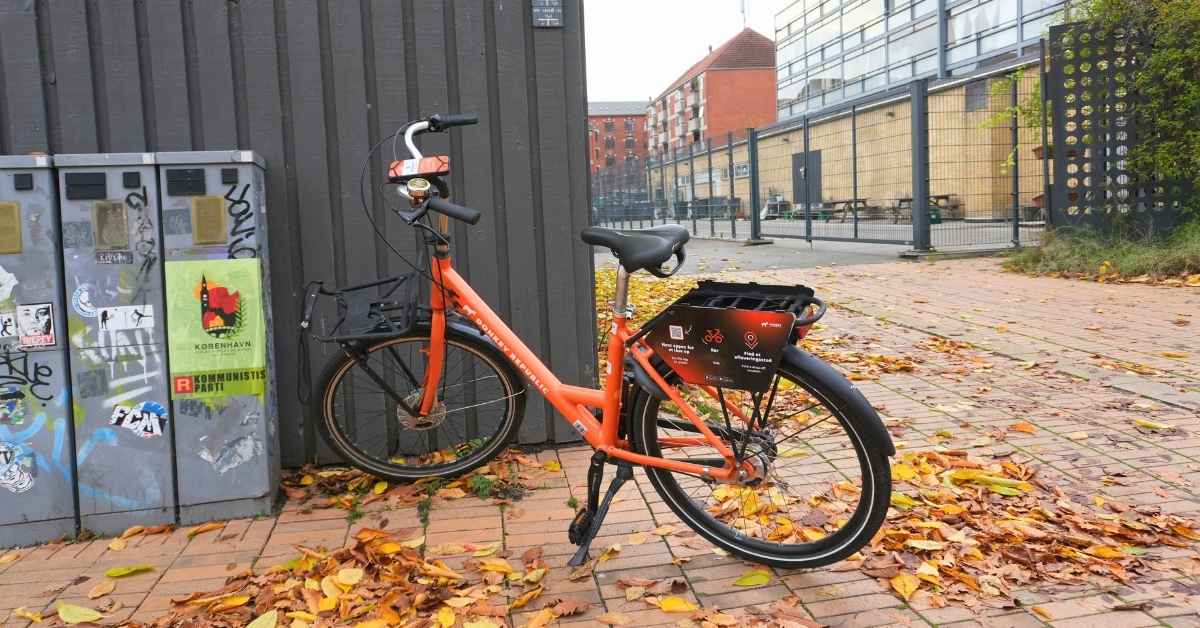
Denmark does not require helmets on ordinary bicycles or standard e-bikes limited to 25 kilometers per hour, but the law does mandate helmets on e-scooters, speed pedelecs, and similar small motorized vehicles, a distinction that creates real confusion for expats and visitors.
A recent cycling incident involving a helmetless rider has reignited debate about what Denmark’s helmet rules actually say. For many internationals, the assumption is simple: if you ride, you wear a helmet. According to Rådet for Sikker Trafik, that assumption does not match Danish traffic law.
The Helmet Law Is About Vehicles, Not Riders
According to Færdselsstyrelsen, Denmark’s helmet mandate took effect on 1 January 2022. It covers motorized scooters, motorized skateboards, and self-balancing vehicles. Later official guidance also includes speed pedelecs among the vehicles where a helmet is required. Ordinary bicycles and standard e-bikes remain exempt, even for children under 15.
The distinction matters in practice. An expat cycling to work on a normal rental bike faces no legal duty to wear a helmet. The same person switching to a shared e-scooter must wear one or face a fine of 1,500 kroner, as confirmed by Rådet for Sikker Trafik.

Rådet for Sikker Trafik strongly recommends helmets for all cyclists. However, a recommendation is not a legal requirement. The organization states plainly that there is no helmet rule for ordinary bicycles or e-bikes limited to 25 kilometers per hour, including for children.
Speed Pedelecs Are a Separate Legal Category
Speed pedelecs complicate the picture further. According to FDM, these faster e-bikes can assist up to 45 kilometers per hour and fall into a distinct legal category. Riders must wear a helmet, carry documentation, and hold insurance. The vehicle is no longer treated as a bicycle under Danish traffic rules.
That legal split creates a practical trap for newcomers. A standard e-bike limited to 25 kilometers per hour is treated like a bicycle and carries no helmet obligation. A speed pedelec capable of reaching 45 kilometers per hour falls under an entirely different legal regime with mandatory helmet requirements.

Færdselsstyrelsen specifies that helmets for covered vehicles must be CE-marked and comply with the EN 1078 standard under EU regulation 2016/425. That is a technical detail rental companies and riders often overlook. Riding a speed pedelec without a compliant helmet is both a safety risk and a legal violation.
Public Blame Without Legal Basis
Criticism directed at rental companies after helmetless crashes highlights a broader problem. When a rider crashes without a helmet, public reaction often assumes a rule was broken. In many cases involving ordinary bicycles, no such rule exists.
According to Cyklistforbundet, mandatory helmet laws for standard cycling risk discouraging people from riding altogether. That position reflects a longstanding Danish policy debate between safety promotion and maintaining high cycling participation rates.

For expats, the gap between public expectation and legal reality creates genuine confusion. A visitor renting a bike in Copenhagen may feel social pressure to wear a helmet even when Danish law imposes no such duty. That pressure can intensify after high-profile accidents, regardless of whether any rule was actually broken.
Know Your Machine Before You Ride
The safest practical step is to identify the vehicle class before setting off. Ordinary bicycles and e-bikes up to 25 kilometers per hour carry no helmet requirement in Denmark. E-scooters, speed pedelecs, and similar motorized devices do.

Shared-mobility operators may recommend helmets regardless of legal obligation. That guidance is sensible, but riders should understand it reflects operator policy rather than statutory enforcement. Police cannot fine a rider on an ordinary bicycle for riding without a helmet.
Riders uncertain about their vehicle should treat higher-speed or motorized options as helmet-required until the exact class is confirmed. Færdselsstyrelsen and Rådet for Sikker Trafik publish official guidance, though most materials are in Danish. FDM offers practical rule explanations for speed pedelecs and other edge cases.

Denmark’s helmet framework draws the line at the machine, not the rider. For internationals navigating Danish streets, the lesson is direct: the vehicle under you determines the rule above your head.