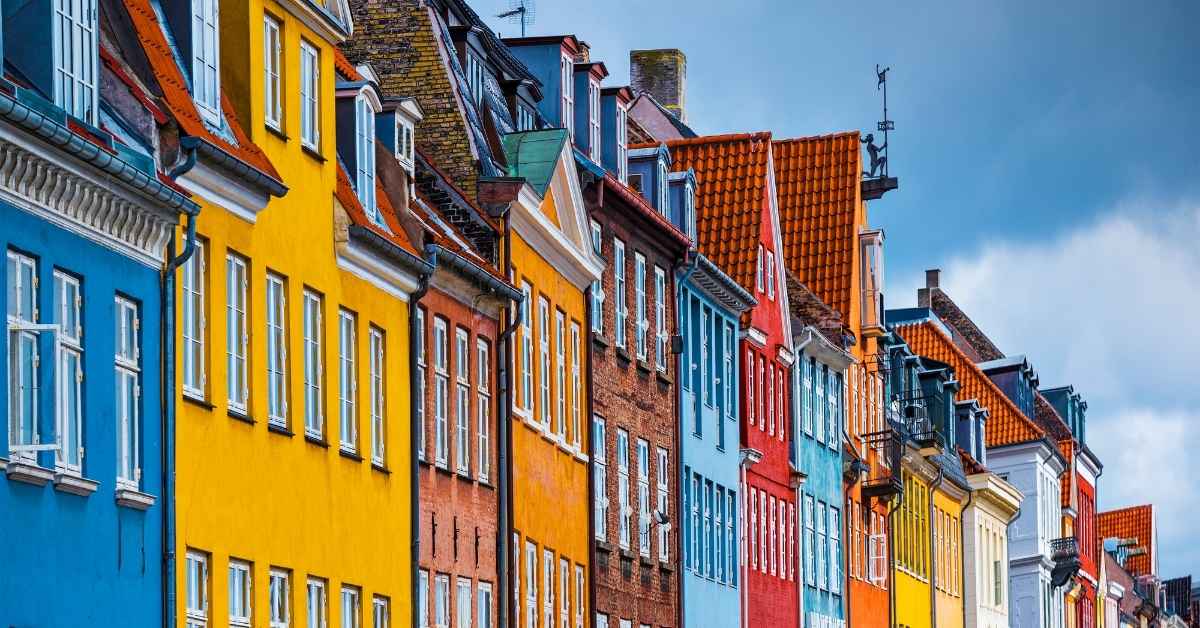
Copenhagen’s historic centre is reaching what local representatives call a “pain threshold” of mass tourism, with one district committee now formally calling for a near-ban on short-term rentals to avoid Barcelona-style over-tourism that is pricing out both Danish and international long-term residents.
I have watched Copenhagen transform over the years I have lived here. The inner city is now a different place. Suitcases rattle over cobblestones at all hours. Cycling down Strøget means dodging selfie sticks and tour groups. Entire apartment blocks in Indre By, Vesterbro and Christianshavn function as unofficial hotels.
The Indre By district committee has had enough. It wants Copenhagen City Council and national politicians to effectively ban short-term apartment rentals in parts of the historic centre. The proposal explicitly cites fear of Barcelona-like conditions and residents feeling like foreigners in their own city, according to TV 2 Kosmopol.
Why This Matters for Expats
This debate directly affects international residents competing for housing in an already brutal market. When entire stairwells disappear into tourist use via Airbnb and similar platforms, both Danes and expats get pushed further out. Students and new arrivals who rely on short-term contracts and online platforms face even tighter supply.
I know expats who have spent months chasing rental leads, only to discover the apartment is really a revolving door for tourists. The 70-overnight national limit exists on paper, but enforcement is patchy. Meanwhile, families move out and grocery stores close, replaced by souvenir shops.
The Barcelona Parallel
Copenhagen is following a well-worn path. Barcelona announced in 2024 it would revoke all tourist apartment licenses by 2028, returning tens of thousands of units to long-term housing. Amsterdam, Venice and Florence have imposed similar bans or caps. These cities waited too long and watched residential communities hollow out.
One Copenhagen resident named Dorthe posted on social media that she now avoids Strøget entirely because the area has passed its pain threshold. That is a remarkable admission about the city’s main shopping street. When locals abandon the centre, something fundamental has broken.
The Trade-Offs
The other side argues that tourists bring revenue to cafés, bars and cultural venues that residents, including expats, depend on. One Facebook commenter told critics to move to the countryside if they cannot handle crowds and nightlife. That misses the point entirely. Nobody is arguing against tourism. The question is whether entire residential buildings should become transient accommodation.
There is also a practical concern for international residents. Many expats work in hospitality or rely on side income from hosting. Stricter rules could threaten jobs and income while theoretically improving long-term housing access. Students and newcomers who need flexible, furnished apartments when they first arrive might struggle if legal short-term options disappear.
Safety and Quality of Life
Heavier tourist traffic changes neighbourhood dynamics in measurable ways. Copenhagen Police recently charged a suspect with more than 20 trick thefts targeting tourists in central areas. UK travel advice and Visit Copenhagen both warn about pickpocketing and bag snatching in crowded zones around the central station and popular attractions.
When permanent residents decline, so do the everyday eyes on the street that make neighbourhoods safe. You get more late-night noise, more rubbish, fewer stable community ties. This affects everyone who lives here, regardless of passport.
What Happens Next
No ban has been implemented yet. The district committee’s proposal must pass through Borgerrepræsentationen and potentially parliament. International residents with EU citizenship or permanent residence can vote in municipal elections and join neighbourhood associations, giving them a voice in the outcome.
For now, anyone hosting via platforms must follow the 70-overnight annual limit for whole-home rentals without municipal permission. Tax authorities can access platform data. Violations trigger fines and back taxes for Danes and expats alike.
The broader question is whether Copenhagen wants to preserve its identity as a liveable city or become another tourist playground where locals, Danish and international alike, are pushed to the periphery. Having lived through this transformation, I can say the city is approaching a genuine inflection point. The district committee’s call may sound dramatic, but it reflects a real crisis of community and housing that expats feel as acutely as anyone.