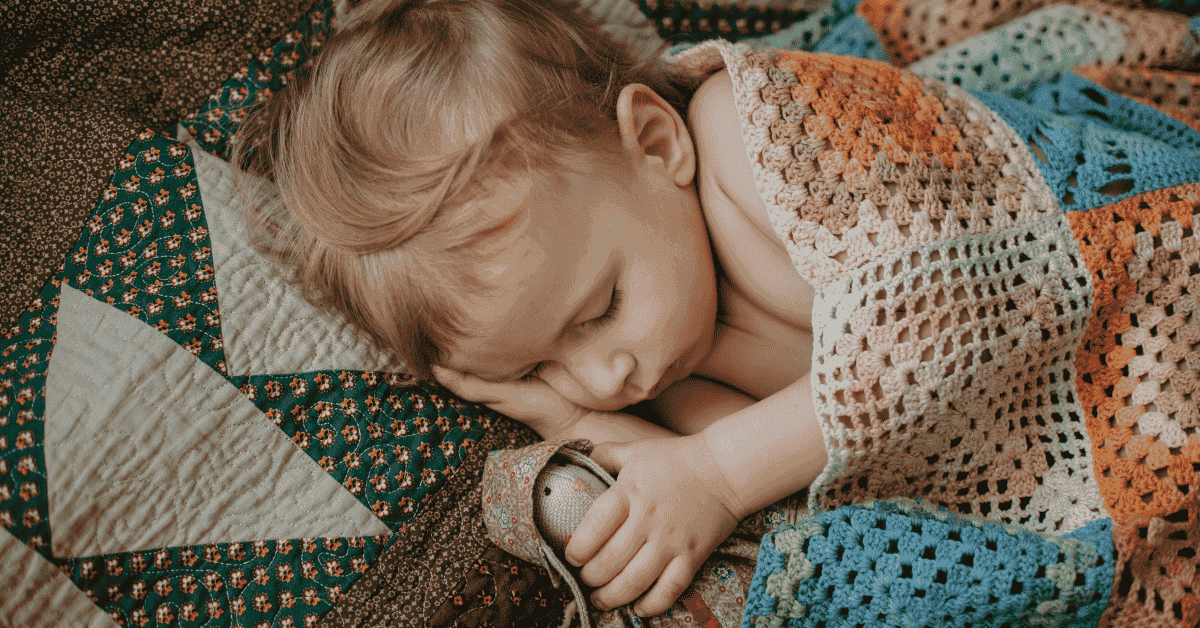
More Danish children are being medicated for sleep problems, with new data showing a 14 percent jump in one year driven almost entirely by melatonin prescriptions that have tripled over the past decade.
Denmark is putting more children to sleep with pills. The Danish Health Data Authority reported that 21,827 children and teenagers under 18 filled at least one prescription for sleep medication in 2023. That is up from 19,194 the year before. The increase is sharp, consistent, and almost entirely down to one drug: melatonin.
I have watched this trend accelerate over my years in Denmark. What started as a cautious pharmaceutical option for kids with serious ADHD or autism has become the go-to answer for tired children across the country. In 2023, 98 percent of under-18s who received sleep medication were given melatonin. Meanwhile, use of older sedatives like promethazine dropped by 20 percent and benzodiazepine-like drugs fell by 10 percent.
From niche to normal in ten years
Melatonin use among Danish children and adolescents has more than tripled in a decade. That shift reflects both a move away from riskier sedatives and a broader willingness to medicate childhood sleep problems. The Danish Health Authority published national clinical recommendations in November 2022 stressing that melatonin should be time-limited and used only after non-drug measures fail. The new 2023 data suggest those guidelines are not slowing the trend.
Many of the children receiving melatonin have neurodevelopmental diagnoses where sleep difficulties are common and persistent. For those families, melatonin can be a lifeline. But doctors and sleep specialists warn that the hormone is increasingly prescribed to otherwise healthy kids whose sleep issues stem from screens, stress, or school pressure. Long-term effects on puberty, hormones, and mental health remain poorly understood.
Expat families caught between systems
For international parents, navigating Danish sleep medicine adds extra layers of confusion. You may come from a country where melatonin is sold over the counter or where GPs prescribe it freely. Here, it requires a prescription and a documented treatment plan. The guidelines are clear but not always explained in English. Some expat parents, frustrated by wait times or language barriers, have turned to closed Facebook groups to seek medication advice or pills outside the system. Danish doctors warn that is unsafe and illegal.
Denmark’s extreme daylight swings can also disrupt sleep, especially for newcomers. Long summer evenings and dark winters mess with circadian rhythms. Add in school stress, social media, and adapting to a new culture, and it is no surprise some international families reach for pharmaceutical help. But the official Danish approach still emphasizes sleep hygiene first: consistent bedtimes, reduced screen time, managing light exposure, and addressing anxiety.
Pills are not a quick fix
The Danish Health Authority is explicit. Melatonin is not a miracle cure. It should be started only after a thorough assessment of sleep habits, environment, and mental health. Doses should be low and tailored to age and weight. Regular re-evaluation is required, and long-term continuous use should be avoided unless clearly beneficial. That is the official line. The data suggest practice is running ahead of the guidelines.
I worry we are medicalizing normal childhood more than we admit. Sleep problems are real, especially for kids with ADHD or autism. But screens, performance pressure, and overscheduled lives are also real. Giving a child melatonin is faster than fixing those things. For expat families already stretched by language learning, job insecurity, and cultural adjustment, the temptation to reach for a pill is even stronger.
What parents should do
If your child is struggling to sleep, start with your GP. Do not go through social media or informal channels. Ask for a consultation in English if you need one. Request a clear explanation of what non-drug measures should be tried first. If melatonin is prescribed, ask why, for how long, and how it will be monitored.
Register with a Danish GP if you have not already. Use school nurses and municipal health services for advice on routines and stress. Check Sundhedsstyrelsen’s official guidance, even if you need help translating it. Do not import unapproved formulations from abroad or share prescriptions between children. The system here is cautious for a reason, even if it sometimes feels slow.
The upward curve in medication use will likely trigger fresh political and professional debate. If the numbers keep rising despite existing guidelines, expect tighter regulation or new public campaigns. For now, Danish children are sleeping with more pharmaceutical help than ever before. Whether that is progress or a warning sign depends on who you ask.