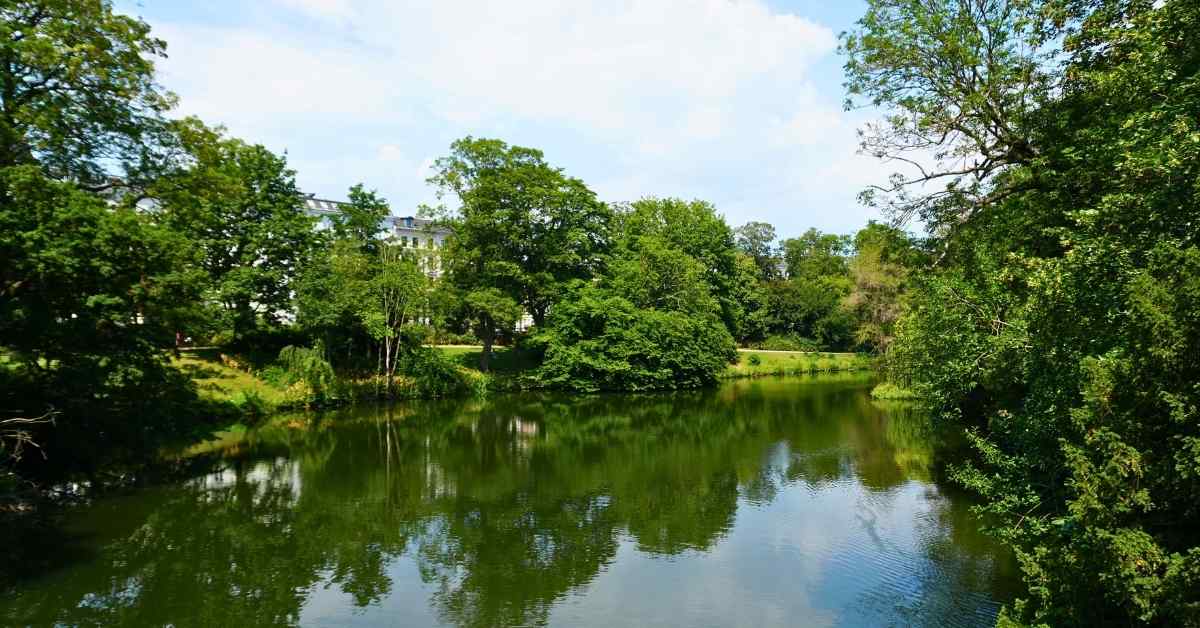
Denmark’s leading outdoor recreation council is pressing the incoming government to prioritize nature access and outdoor life, not just biodiversity targets. They want nature policy to become a genuine public cause, not just an environmental policy footnote.
Friluftsrådet, the Danish Outdoor Council, is making its move early. With government formation talks underway, the organization has published a direct appeal to whoever ends up in power. Their message is clear: nature policy must deliver tangible benefits for ordinary people, not just hectares on a map.
The timing is deliberate. In Danish politics, influence happens before coalition agreements are signed, not after. Once ministries are divided and budgets are set, changing course becomes difficult. Friluftsrådet knows this. They want nature and outdoor recreation baked into the framework from day one.
Four Concrete Demands
The council has laid out four specific proposals. First, they want groundwater protection combined with urban nature parks. Denmark’s drinking water is under pressure, and the solution should include green spaces near cities where people can actually spend time.
Second, they want guaranteed public access to new nature areas. According to Friluftsrådet, four out of five Danes want at least half of the planned 250,000 hectares of new forest to be publicly accessible. Right now, the green transition agreement includes almost no access guarantees.
Third, they want a unified outdoor recreation law. Currently, the right to access and experience nature is scattered across multiple laws. Norway has a single framework that protects access and promotes public health. Denmark should follow suit.
Fourth, they want nature integrated into schools and youth institutions. More outdoor education, nature in the curriculum, and links to local outdoor clubs. The goal is to give the next generation a real relationship with Danish nature, not just textbook knowledge.
The Money Argument
Friluftsrådet is not making a purely romantic case. They cite a Concito analysis showing an annual benefit of 17 billion kroner if nature experiences are integrated into the green transition. Urban nature can also prevent illness and save the healthcare system billions.
This is where the pitch gets interesting. Denmark is already investing heavily in nature restoration, wetlands, and forest creation. Friluftsrådet argues that those investments should deliver visible returns in daily life. When people walk or run in new nature areas, they should notice the difference.
The scale of the transition is significant. A Nordic biodiversity review suggests changing around 15 percent of existing Danish farmland and close to 10 percent of Denmark’s total land area to forest, wetlands, and nature restoration. That is not incremental adjustment. That is structural change.
Private Sector Models Are Emerging
Meanwhile, private actors are also entering the space. In February 2024, European Energy and the Danish Society for Nature Conservation signed an agreement linking renewable energy projects to nature purchases. For every solar park, the company buys 5 hectares of land for permanent nature. For every wind turbine, 1 hectare.
It is a business model shift, not just a regulatory requirement. Nature is becoming part of the value proposition, not just a cost. That matters because it shows that nature gains can be embedded in green transition projects, not just created separately.
The Tension No One Fully Resolves
Here is the problem. Denmark needs more renewable energy, more nature, and continued agricultural production. All three compete for the same finite land. Solar parks, wetlands, forest plantations, and wind farms all need space. Local protests against landscape changes are common.
Friluftsrådet is betting that better public access and tangible everyday benefits can shift the debate from conflict to shared value. If nature restoration also means better green spaces near cities, more trails, and healthier populations, it becomes harder to frame as loss.
But that requires intentional design. Nature created for biodiversity alone does not automatically serve recreation. Fragmented patches far from cities do not help urban Danes access green space. Without trails, parking, and maintenance, new nature areas remain inaccessible.
I have watched Denmark wrestle with this for years. The country talks a lot about nature, but delivering accessible, high quality green space near where people live is harder than it sounds. Friluftsrådet is right to push now. If the incoming government does not prioritize this early, it will not happen later.
Sources and References
The Danish Dream: Explore Nature in Denmark
The Danish Dream: Kalvebod Fælled – A Stunning Sanctuary Blending Urban Beauty and Wild Nature Near Copenhagen
The Danish Dream: Denmark’s Hiking Boom: Thousands of New Trails