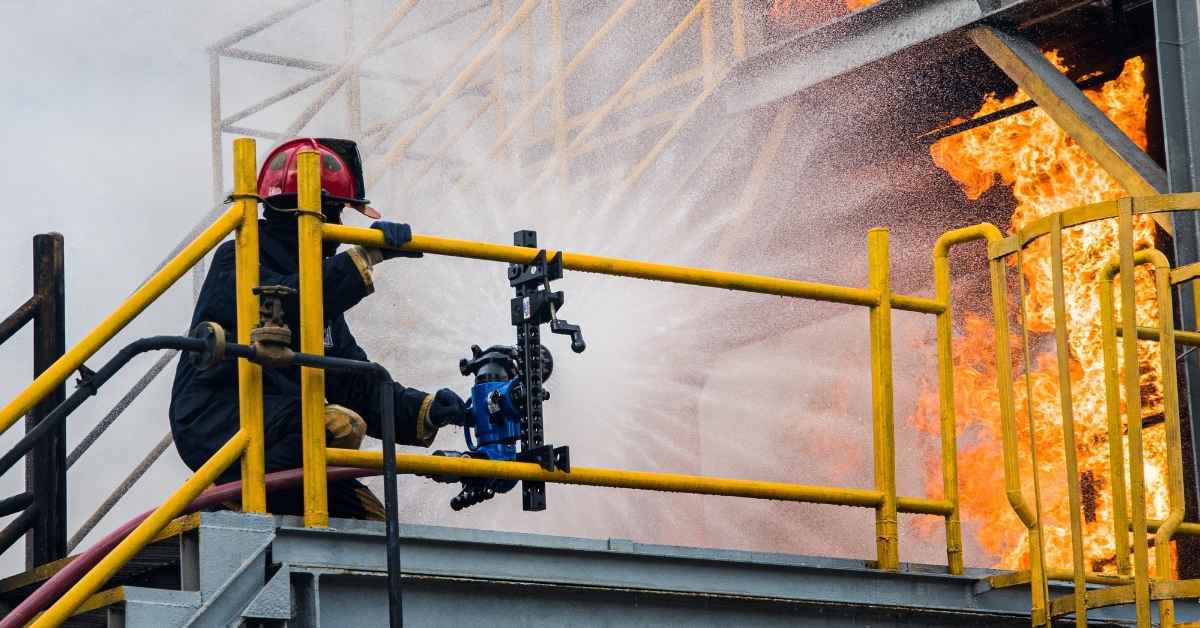
A major fire at a Jysk furniture store in Vejle sent toxic smoke across residential neighborhoods, triggering emergency sirens and forcing residents indoors. The blaze highlights Denmark’s emergency response protocols and raises questions about long-term health monitoring after industrial fires.
Early Wednesday morning in December 2022, flames tore through a Jysk warehouse on Dandyvej in Vejle. Southeast Jutland Police and TrekantBrand issued urgent warnings about harmful smoke drifting over the Bredballe district. Sirens wailed. Residents received emergency alerts on their phones. The message was clear: stay inside, close windows and doors, shut off ventilation systems.
I’ve lived in Denmark long enough to know that when sirens go off, it’s serious. The Danish emergency system doesn’t cry wolf. As reported by DR, authorities classified the smoke as harmful to health upon inhalation. That phrasing triggers a higher level of response than ordinary fires.
What Makes Warehouse Smoke So Dangerous
Jysk sells furniture, mattresses, and home textiles. When those materials burn, they release massive amounts of soot, carbon monoxide, nitrogen oxides, and organic compounds including polycyclic aromatic hydrocarbons. Mattresses and foam products often contain flame retardants and chemical treatments. During combustion, these can form toxic compounds including cyanide and chlorine gases.
This isn’t abstract chemical theory. Danish and European studies document elevated cancer risk among firefighters exposed to exactly this type of smoke. The Danish healthcare system recognizes the occupational hazard. It’s why emergency responders now face strict requirements for respiratory protection and equipment decontamination.
For neighbors who followed instructions and stayed inside with sealed windows, short term exposure risk was likely limited. But we don’t have public data confirming that. No detailed air quality measurements have been released. No comprehensive chemical analysis of the smoke plume. Just the generic warning and the all clear when the smoke dispersed.
Denmark’s Shelter in Place Strategy
The response followed established Danish emergency protocols. When industrial fires produce dangerous smoke, authorities activate physical sirens, push alerts through the SIRENEN app, and broadcast warnings via media. The standard message is identical across incidents: go inside, seal your space, stay put.
This isn’t uniquely Danish. It aligns with European civil protection guidelines for chemical incidents. Mass evacuation can be logistically difficult and sometimes increases exposure during the actual evacuation process. Indoor sheltering with closed ventilation systems provides effective improvised protection, especially for short duration events.
I’ve noticed Vejle has experienced several such warnings recently. A fire at Vejle Caravans near Isabellahøj triggered the same protocol. So did other industrial incidents in the region. The repetition raises questions about industrial zoning and whether enough attention is paid to health insurance implications for exposed populations.
The Information Gap
What’s missing from the public record is substance. We know the emergency response worked as designed. We don’t know the fire’s cause. We don’t know what specific toxins residents were exposed to. We don’t know if Vejle Municipality tested soil, water, or drainage systems for contamination from firefighting runoff.
Vejle has an ambitious climate plan targeting 70 percent emissions reduction by 2030. The municipality meticulously regulates wastewater permits and environmental approvals for local businesses. But industrial fires exist in a regulatory blind spot. They produce concentrated emissions of CO₂ and particulates, yet don’t figure into climate accounting or air quality monitoring the way planned industrial emissions do.
As an expat who has watched Danish authorities handle crises, I find the emergency communication exemplary. The sirens work. The apps function. The messaging is consistent. What frustrates me is the opacity afterward. Where are the environmental measurements? Where is the post incident health assessment? Where is the transparent accounting of what actually happened?
The Broader Pattern
Similar large scale fires at retail and logistics facilities across Denmark have resulted in damages running into tens of millions of kroner. Insurance covers the commercial losses. Companies like Jysk have the resources to rebuild and reroute supply chains. But neighbors live with construction noise, changed traffic patterns, and lingering uncertainty about health effects.
The frequency of these incidents is rising as e-commerce drives larger centralized warehouses packed with more inventory. More goods means more fuel for potential fires. Modern materials burn hotter and release more complex toxic mixtures than older products did. European chemical regulations under REACH govern what goes into furniture and textiles, but they don’t directly regulate the smoke those materials produce when they burn.
That leaves fire prevention through building codes and sprinkler requirements as the main policy lever. Once a fire starts, it becomes a civil defense matter. The emergency teams respond. The smoke clears. Life returns to normal.
But normal shouldn’t mean ignorance. Residents deserve follow up data showing whether air, soil, and water were tested. They deserve to know if any contamination was detected and how it was remediated. Transparency isn’t just good governance. It’s the foundation of public trust in emergency systems that otherwise function impressively well.
Denmark does crisis response right. It just needs to close the loop on public health accountability.
Sources and References
The Danish Dream: Wildfire in Denmark sends emergency teams to Skagen
The Danish Dream: Danish healthcare explained for tourists & expats
The Danish Dream: Health insurance in Denmark
DR: Brand i Vejle udvikler skadelig røg