A Danish mayor wants all water consumers nationwide to split the bill for pesticide cleanup—sparking a fierce debate over who should pay when groundwater is contaminated and drinking water wells close.
The discussion is not academic. Drinking water wells are closing across Denmark because of pesticide contamination, and someone has to pay for new wells, pipelines, and treatment plants. Right now, that someone is usually the local residents whose wells shut down. Their water bills go up while neighbors in unaffected areas pay nothing extra. One mayor now argues that is unfair and wants a national model where all Danish water consumers share the cost.
The Pesticide Problem Is Everywhere
Denmark has been finding pesticides in groundwater for over a decade. Not just one or two chemicals. Dozens of active ingredients and breakdown products from old weed killers and fungicides keep turning up above legal limits. Some were banned years ago but move slowly through soil and rock. Others are still in use. The result is the same: utilities must close wells and find new sources.
Aarhus, Odense, Copenhagen suburbs, small towns in Zealand. The list of affected areas keeps growing. Each closure forces water companies to drill deeper, build longer pipelines, or connect to distant networks. All of that costs money. Under current law, those costs land on local water bills. A household in a small village hit by contamination can end up paying far more than someone in a big city with cleaner wells nearby. The system treats a national environmental failure as a local billing issue.
Who Caused This Mess?
The finger pointing is predictable but real. Farmers say they used chemicals the government approved, following the rules of the time. They argue they should not be punished now for doing what was legal then. Environmental groups counter that agriculture profited from intensive pesticide use and should help pay for the cleanup. They want higher pesticide taxes and strict bans near drinking water wells.
Municipalities and water utilities point at the state. They note that Denmark set the safety limits, approved the chemicals, and promoted a model where consumers pay locally. Now that the bill is coming due, they say the government should step up. The debate mirrors the PFAS contamination fight: polluters are hard to pin down, victims are clear, and no one wants the invoice.
A National Spraying Ban Without a National Budget
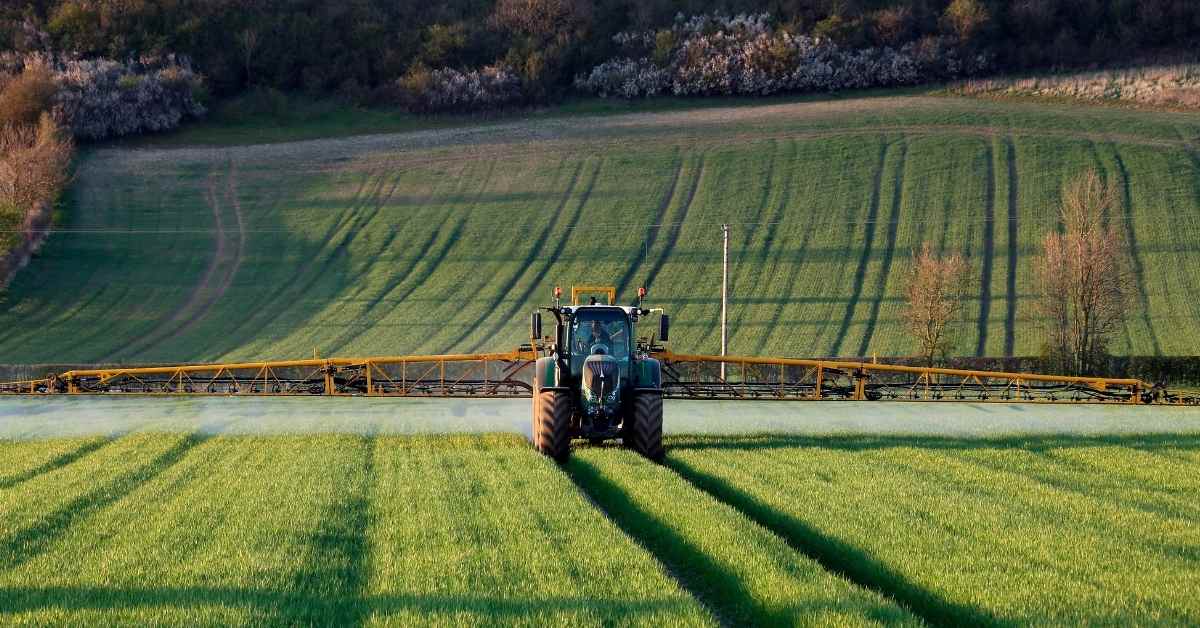
Denmark is moving toward a national ban on pesticides in wellhead protection zones. These zones surround wells where chemicals can reach groundwater fast. Most experts agree the ban makes sense. The problem is money. Farmers will demand compensation if they lose the right to spray. Water companies will need funds to drill new wells and monitor contamination. Municipalities lack the budgets to cover both.
The mayor calling for a national funding model is not alone. Municipal leaders across the country want clarity. They want a law that both protects drinking water and spreads the financial burden. Without it, they warn, some towns will hesitate to enforce bans or shut wells, fearing backlash over soaring bills.
What a National Model Could Look Like
One option is a flat surcharge on all Danish water bills. Every household would pay a few extra kroner per cubic meter to fund a national groundwater protection fund. That fund would then reimburse utilities forced to close wells or invest in new infrastructure. The upside: fairness and predictability. The downside: yet another charge on household budgets, and rural voters may resent subsidizing city dwellers who already have cheaper water.
Another model puts the burden on general taxation. Drinking water becomes a state infrastructure responsibility like roads or hospitals. Proponents say this reflects reality: clean water is a public good, and contamination is a collective failure. Critics worry it removes local incentive to protect water sources and adds billions to an already stretched treasury.
The Political Stalemate
The government says clean drinking water is a top priority. Ministers have signed agreements on water environment and pesticide reduction. But concrete financing remains vague. The ruling coalition talks about “continued work” and “dialogue with municipalities and agriculture.” Translation: no decision yet.
Opposition parties accuse the government of stalling. Municipal associations are frustrated. Farm lobbies warn against blanket bans and demand full compensation. Green groups want immediate action and higher pesticide taxes. Everyone agrees the current system is broken. No one agrees on what replaces it.
I have watched Danish politics long enough to recognize a pattern. When responsibility is diffuse and costs are large, decisions get postponed. Meanwhile, wells close. Bills rise. And local politicians are left explaining why their residents pay more for the same tap water. A national spraying ban is coming. The question is whether the national budget follows, or whether this remains another Copenhagen promise that municipalities must somehow fund themselves.
Sources and References
The Danish Dream: Denmark Bans PFAS Pesticides to Protect Groundwater
The Danish Dream: Denmark’s PFAS Clothing Ban: Are You Breaking the Law?
The Danish Dream: Can You Drink Tap Water in Copenhagen?
DR: Vandforbrugere bør betale regningen for nationalt sprøjteforbud, foreslår borgmester