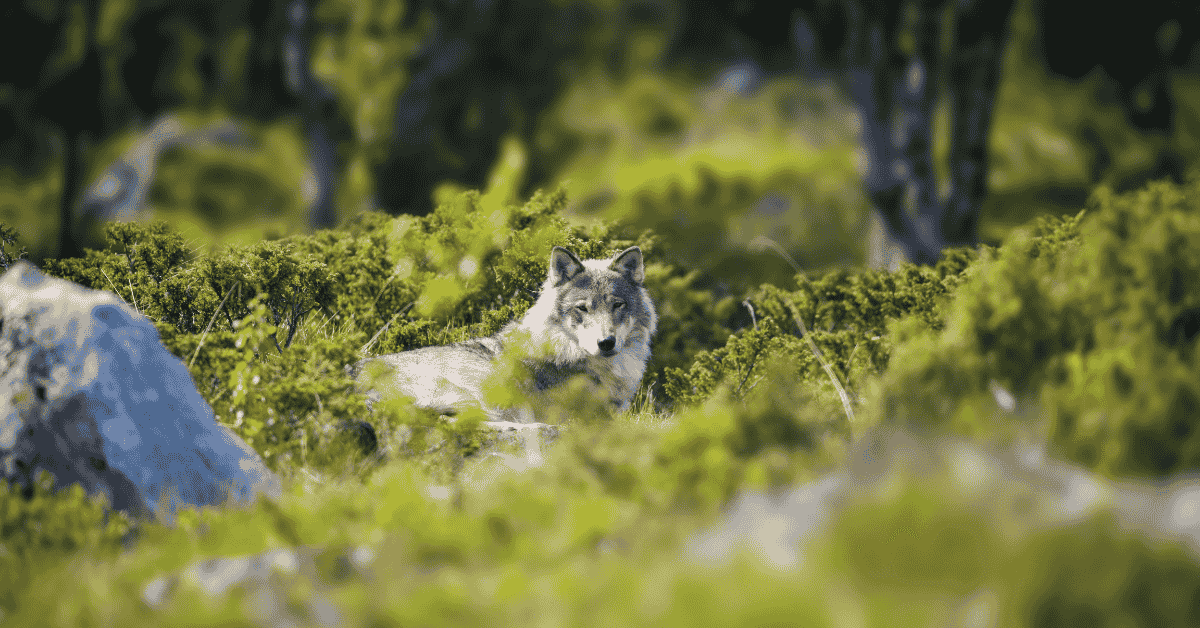
Denmark now has at least 49 adult wolves, all in Jutland, making it the highest confirmed count since wolves returned in 2012. The growing population is intensifying political pressure to allow regulated hunting, though EU law still strictly protects the species.
When I moved to Denmark over a decade ago, wolves were a rumor. Today they are a fact. The latest count from researchers at Aarhus University confirms what sheep farmers in Jutland have been saying for months: the wolf population is no longer a fragile experiment. It is firmly established, and it is growing.
According to DR, Denmark is home to at least 49 adult wolves. All of them live in Jutland. None have established territories on Funen or Zealand. That concentration matters because it means the wolves are not spread thinly across the country. They are dense, visible, and increasingly difficult to ignore in the communities where they live.
Why the Numbers Keep Changing
If you have been following the wolf story in Denmark, you have probably noticed the numbers jumping around. One report says 42 wolves, another says 49. That is not confusion. It is method.
Aarhus University recently changed how it counts wolves. Instead of tracking every individual through DNA samples collected from droppings and hair, researchers now estimate population size based on breeding pairs and established territories. As reported by DCE, there are currently six confirmed breeding pairs, two territorial pairs without documented offspring, and one lone wolf holding a territory. Using this framework, researchers calculate a winter population of around 42 wolves. Other counts, including the one DR cites, push that figure higher when recent litters and roaming individuals are factored in.
The shift to territory based counting aligns Denmark with European norms. It also makes year to year comparisons tricky. But it offers a clearer picture of the population’s stability. Wolves are no longer just passing through. They are breeding, denning, and holding ground.
Room to Grow
How many wolves can Denmark actually support? DCE estimates the ecological carrying capacity at 77 to 210 wolves, or roughly 11 to 30 breeding pairs. That is based purely on available habitat and prey, primarily roe deer, red deer, and wild boar. Social tolerance is another matter entirely.
The wolves are not starving. Jutland has plenty of deer. But sheep are easier targets when they graze unprotected. Farmers report rising losses, and the compensation system is widely criticized as slow and inadequate. Wolves do not distinguish between wild prey and domestic stock when a fence is flimsy or absent.
A Political Flashpoint
The population increase is sharpening the political divide. Right leaning parties, backed by agricultural and hunting organizations, want the right to regulate wolf numbers through culling or licensed hunting. They point to Sweden, which has EU approved quotas and a defined population ceiling. Denmark, they argue, is now dense enough with wolves to justify similar measures.
Environmental groups counter that 49 wolves hardly constitute overpopulation. The species was extinct here for over a century. They argue that proper fencing and guard dogs can prevent most livestock losses, and that killing wolves sets a dangerous precedent for biodiversity recovery.
EU Rules Still Apply
Wolves remain strictly protected under the EU Habitats Directive. Denmark cannot simply start issuing hunting permits. Any regulated culling would require exemptions under Article 16, typically granted only to address serious threats to human safety or livestock, and only after non lethal measures have failed. The European Commission is reviewing the wolf’s protected status, prompted by pressure from rural communities across the bloc. But no decision has been made, and Denmark is still bound by the current rules.
Living With Wolves, Again
I have watched Denmark wrestle with this question for years. For urban Danes, wolves are a welcome return to wildness. For farmers in Thy or Vendsyssel, they are a daily management problem with real costs. The gap between those two experiences is not closing.
The 49 adult wolves confirmed this year represent a milestone. Denmark now has a self sustaining wolf population for the first time in modern history. That is a conservation success. It is also a governance challenge. The question is no longer whether wolves belong here. It is how many Denmark is willing to live with, and who gets to decide.
Sources and References
The Danish Dream: First Wolf Pups Born in Denmark Since 1800s
The Danish Dream: Peak of Wolf Pups in Denmark Signal Population Surge
The Danish Dream: Denmark Approves First Legal Killing of Wolf
DR: Nye tal: Mindst 49 voksne ulve i Danmark