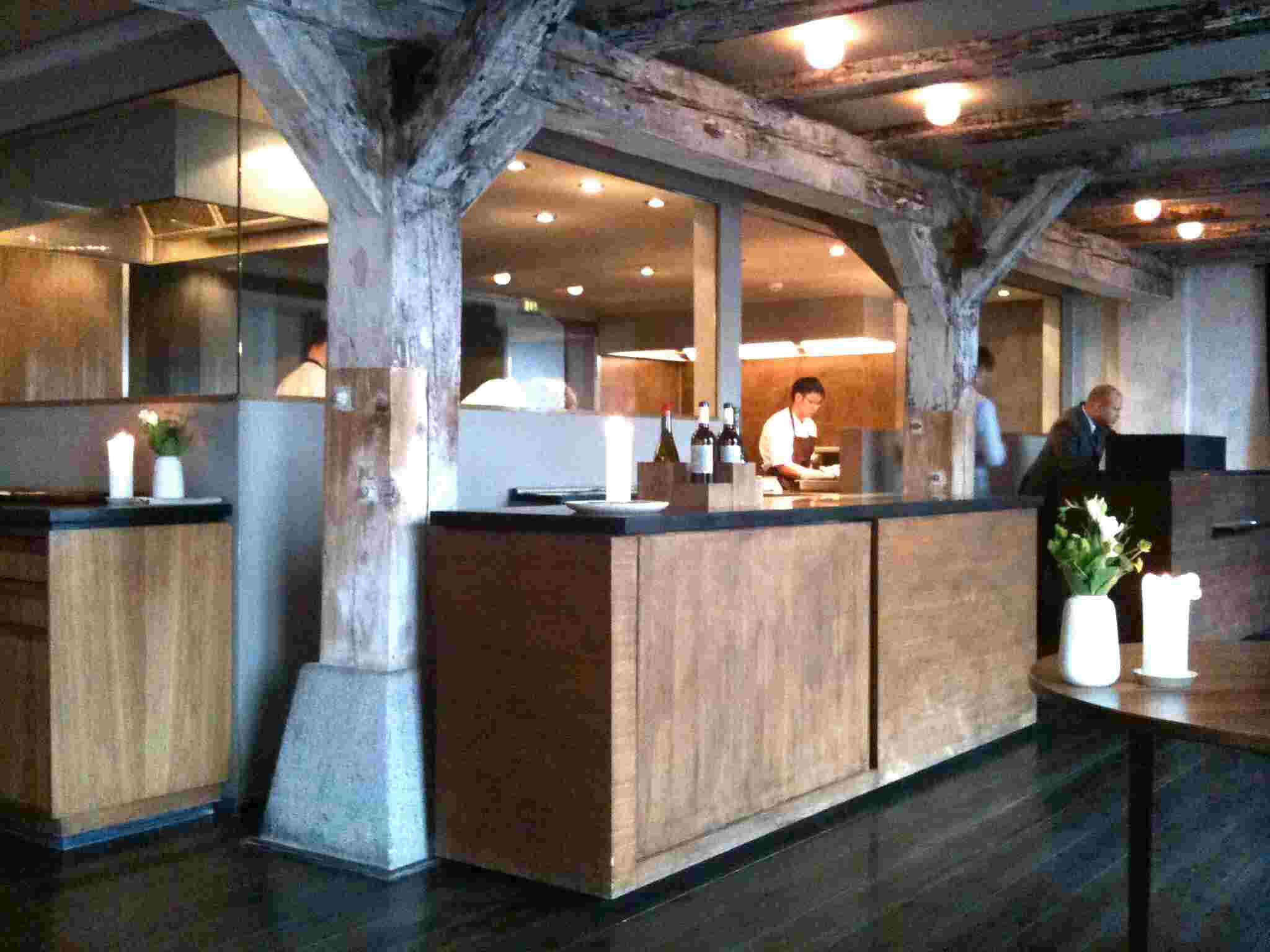
A veteran Danish chef has defended René Redzepi against allegations of violence and abusive behavior at Noma, calling the accusations a storm in a teacup and arguing that intense pressure in elite kitchens requires a hard, fast tone that may be too much for some workers.
Defense of High Pressure Kitchen Culture
Henrik Boserup, a chef with more than 40 years of experience in some of Denmark’s most prestigious kitchens, believes the criticism of René Redzepi lacks perspective and nuance. He argues that former interns and employees who spoke out against the Noma chef to the New York Times are presenting a one sided view. Boserup, who founded the restaurant formel B and served as head chef at Hotel d’Angleterre, says the complaints come from what he calls the United States, the bastion of the offended.
Comparing Elite Kitchens to Competitive Sports
Boserup draws parallels between working in a top restaurant and competing in high stakes sports. He explains that the young cooks working in a kitchen with Redzepi’s name on the door are playing a wild finale every day. The pressure is enormous, he says, and just like on a racing sailboat or a football team in a Champions League match, the tone is direct, hard, and fast.
This intensity can be too much for some people, Boserup acknowledges. However, he maintains that this is simply the nature of working at the highest levels of culinary achievement. The expectation is that those who choose to work in such environments understand and accept these conditions.
Rejecting Violence Label
Despite numerous accounts in the New York Times describing physical contact and aggressive behavior, Boserup refuses to characterize Redzepi’s actions as violence. He defines violence as deliberately trying to physically harm someone. Instead, he describes the kitchen environment as a hard pressed industry where things inevitably get out of hand in the heat of battle.
When mistakes happen in an open kitchen at Noma, where the whole world is watching, workers receive direct settlement, according to Boserup. He insists that while prodding or poking people with kitchen tools is not acceptable, he doubts the most extreme allegations. He simply refuses to believe that anyone would stab people in the leg with a carving fork.
Allegations from Former Noma Staff
The New York Times published detailed accounts from 35 former interns and employees describing years of alleged abuse at Noma. The accusations cover a period from 2009 to 2017, when Redzepi led the restaurant that now holds three Michelin stars.
Specific Incidents Described
According to the newspaper, Redzepi allegedly hit both male and female employees in the stomach and ribs. Former staff members also claim he poked workers in the legs and fingers with kitchen tools and threatened to have their families deported. One particularly dramatic episode involved Redzepi allegedly commanding 40 staff members outside into the winter cold during a busy service.
The group was reportedly ordered to form a circle around the chef and a young sous chef who had put techno music on the speakers. Redzepi allegedly struck his sous chef in the ribs and forced him to shout that he liked giving DJs oral sex. These accounts paint a picture of a workplace where humiliation and physical intimidation were regular occurrences.
Physical Contact Justified as Necessary
Boserup argues that some physical contact is understandable given the circumstances. He suggests that in an open kitchen under full pressure, if someone cannot perform adequately, he might give them an elbow and tell them to get it together. However, he maintains that humiliation is not acceptable and that conflicts should ideally be resolved over a beer after service.
When pressed on whether it is acceptable to hit or poke staff members, Boserup becomes less definitive. He acknowledges that of course such behavior is not okay, but continues to contextualize it within the high pressure environment. He emphasizes that neither he nor the press really knows what happened in the specific situations described.
Question of Accountability and Timing
Boserup criticizes what he sees as a rush to judgment against Redzepi. He points out that the chef has acknowledged his past behavior, apologized, and changed his leadership style. Redzepi has reportedly gone to therapy and found better ways to handle his anger.
Perspective on Changed Behavior
The veteran chef questions whether it is fair to call someone out for incidents that happened nearly ten years ago, especially when that person has already changed their approach. He describes the situation as hypocritical, suggesting that society loves to elevate stars and then loves to tear them down again. Boserup characterizes the entire controversy as a petty storm in a teacup.
He also notes that many people who work for free at Noma do so because it opens doors for them in the future. This suggests that the prestige associated with having Noma on one’s resume makes the difficult working conditions worthwhile for ambitious young cooks. The implication is that workers knowingly accept these conditions in exchange for career advancement.
Impact on Noma’s American Expansion
The timing of the allegations is particularly challenging for Noma, as the restaurant has planned a series of pop up locations in Los Angeles. Protests are scheduled in the city, and major corporate sponsors including American Express and Blackbird have already withdrawn their support for the event. This represents a significant reputational and financial setback for Redzepi’s expansion into the American market.
Broader Questions About Kitchen Culture
The controversy surrounding Redzepi and Noma raises larger questions about acceptable behavior in professional kitchens. The traditional brigade system, with its military style hierarchy and intense pressure, has long been associated with aggressive management styles.
Industry Standards Under Scrutiny
What Boserup describes as normal behavior in elite kitchens is increasingly being questioned by a new generation of hospitality workers. The idea that physical contact, shouting, and humiliation are simply part of working at the highest levels is no longer universally accepted. Many younger chefs and restaurant professionals argue that excellence can be achieved without abusive behavior.
The defense that workers voluntarily accept these conditions in exchange for prestige and career advancement also faces criticism. Labor advocates point out that this dynamic creates a system where abuse can flourish because workers fear that complaining will damage their future prospects. The power imbalance between famous chefs and young, ambitious workers makes genuine consent questionable.
Cultural Differences in Workplace Standards
Boserup’s comment about the United States being the bastion of the offended highlights a potential cultural divide in expectations around workplace behavior. What may be tolerated or even celebrated as passion and dedication in some European culinary circles increasingly conflicts with American workplace standards that emphasize psychological safety and prohibit physical contact.
This cultural tension becomes particularly relevant as Danish restaurants and chefs seek to expand internationally. The standards that apply in Copenhagen may not be acceptable in Los Angeles or New York. As the hospitality industry becomes more globalized, chefs who built their reputations in one cultural context must adapt to different expectations elsewhere.
Sources and References
The Danish Dream: René Redzepi: Danish Chef & Co-owner of Noma
The Danish Dream: Denmark Celebrates Record Michelin Star Restaurants
The Danish Dream: Danish Cuisine Takes the Crown: Dane Named World’s Best Chef
The Danish Dream: Best Restaurants in Denmark for Foreigners
DR: Kendiskok om Noma-boss: Jeg synes ikke, det er vold