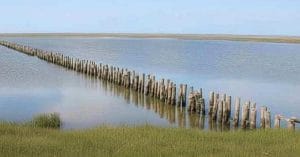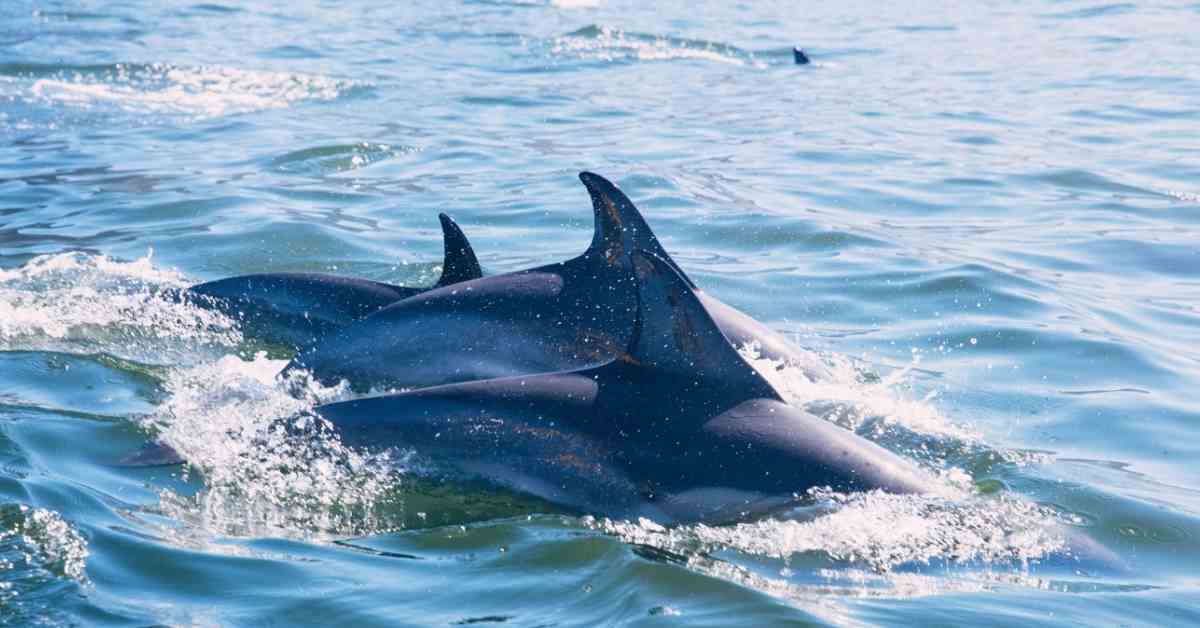
A whale has stranded in Ålbæk Bay near Frederikshavn in North Jutland, prompting efforts by local authorities and environmental experts to assess the situation. The species, size, and condition of the marine mammal remain unclear as darkness prevented immediate action on Saturday evening. Nature Agency officials plan to evaluate the whale on Sunday, with weather conditions potentially affecting any recovery operation.
Whale Discovery in North Jutland Waters
A whale stranded in North Jutland on Saturday, discovered in Ålbæk Bay off Solbærvej near Frederikshavn. Local council member Peter E. Nielsen confirmed the stranding to TV2 Nord, noting that authorities immediately began contacting the Nature Agency to coordinate a response.
The discovery adds to a series of whale strandings along Denmark’s coastline in recent years. These incidents typically draw significant attention from marine biologists and conservation experts who use such opportunities to study whale populations and migration patterns.

Assessment Delayed Until Sunday
Mogens Sonne Hansen, a forest ranger and wildlife consultant with the Nature Agency, explained that darkness on Saturday evening prevented any immediate action. As a result, experts will conduct a thorough examination of the whale on Sunday morning when visibility improves.
At this stage, authorities cannot confirm whether the whale is alive or dead. Additionally, the species and size of the animal remain unknown pending closer inspection. These details are critical for determining the appropriate course of action.
Expert Evaluation Required
The Nature Agency is working closely with marine mammal specialists to assess the situation. Their evaluation will determine whether to attempt a recovery operation or allow nature to take its course. Such decisions depend on multiple factors including the whale’s condition, species identification, and logistical considerations.
Interestingly, strandings in North Jutland have previously provided valuable scientific data. Historical cases in the region, including a fin whale that lived to approximately 120 years and sei whales that contributed to research on humpback whale vocalizations, demonstrate how these incidents advance marine science.
Weather Conditions May Impact Recovery
If experts decide to recover the whale, weather conditions will play a significant role in timing any operation. Hansen emphasized that environmental factors must align favorably before crews can safely proceed with extraction efforts.
Recovery operations for large marine mammals require specialized equipment and coordinated efforts among multiple agencies. Previous strandings in Denmark have involved collaboration between organizations such as Fjord&Bælt, the Marine Mammal Emergency Response Team, the Natural History Museum of Denmark, and university veterinarians.
Pattern of Strandings in Danish Waters
Denmark has experienced several whale strandings in recent years, particularly involving young humpback whales in eastern Jutland waters. In April 2025, an 8.5-meter humpback whale calf stranded on Følle Strand near Kalø Vig north of Aarhus, drawing considerable public interest.
Another humpback whale measuring around 7 meters was found dead in Løgten Bay, approximately 25 kilometers northeast of Aarhus. These incidents suggest patterns related to migration routes and navigation challenges in coastal waters and fjords.

Scientific and Educational Value
Whale strandings provide researchers with rare opportunities to study marine mammal health, age, and biology. When recovery is feasible, specimens often contribute to museum collections and educational programs.
For example, the skeleton of the 2025 Kalø Vig humpback whale is planned for exhibition at Fjord&Bælt’s new 800-square-meter extension opening in 2026. This facility focuses on educating the public about Danish marine mammals and is funded by the A.P. Møller Foundation and Kerteminde Municipality.
Similarly, tissue samples from previous North Jutland strandings have advanced understanding of whale vocalizations, a mystery that has intrigued scientists since the 1960s. Each stranding thus serves dual purposes: immediate conservation response and long-term scientific contribution.
National Coordination Efforts
Danish authorities maintain coordinated response protocols for marine mammal strandings. Government officials, including ministers responsible for environmental affairs, often oversee significant cases to ensure proper handling and maximize conservation benefits.
Organizations like Fjord&Bælt partner with research institutions such as the University of Southern Denmark’s marine station to leverage strandings for education and research. These partnerships strengthen Denmark’s capacity to respond effectively while advancing marine biology knowledge.
Next Steps in Ålbæk Bay Case
Sunday morning will bring clarity regarding the Ålbæk Bay whale’s status. Experts will identify the species, measure the animal, and assess its condition. Based on these findings, authorities will decide whether recovery is warranted and feasible.
Local residents and marine conservation enthusiasts await updates on this latest stranding. Meanwhile, the Nature Agency urges the public to keep a safe distance from the site to allow professionals to conduct their assessment without interference.
The outcome of this case will depend on the expert evaluation scheduled for Sunday. Given Denmark’s track record with whale strandings, authorities are well-equipped to handle the situation responsibly, whether that means attempting rescue, conducting a scientific necropsy, or managing natural decomposition.
Sources and References
The Danish Dream: Whale Stranded in North Jutland
The Danish Dream: Best Travel Insurance in Denmark for Foreigners
TV2: Hval strandet i Nordjylland