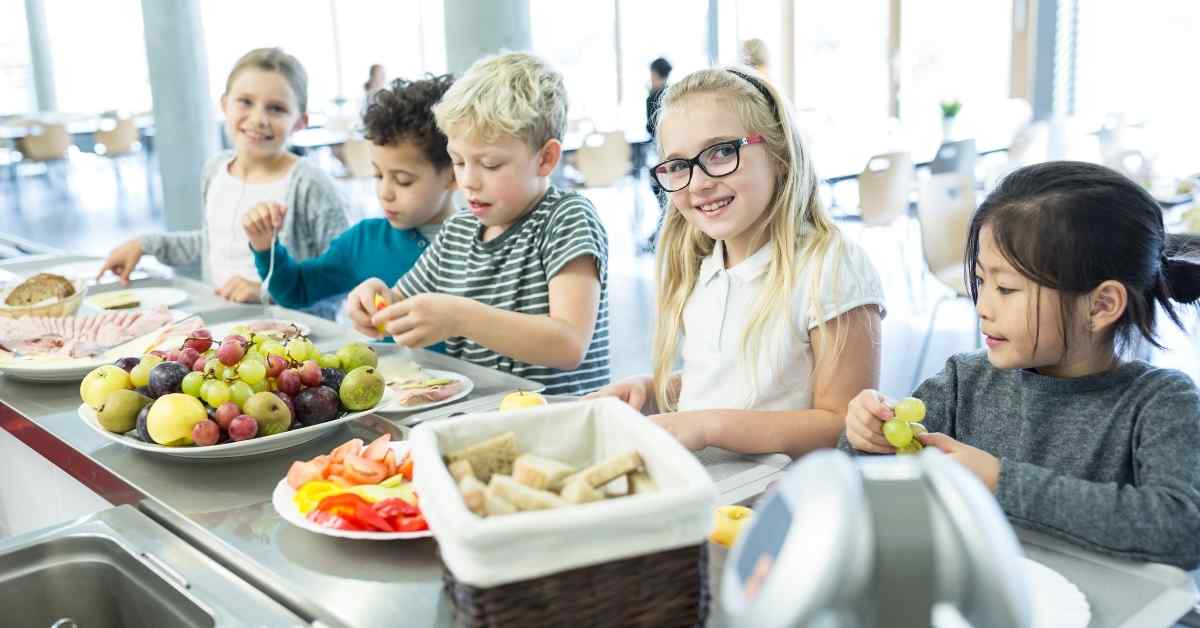
Nearly 200 Danish schools are now offering free or low-cost lunches as part of a new national pilot program funded by the government. The three-year initiative aims to explore how school meals affect students’ health, learning, and social well-being.
A Fresh Start for Lunchtime in Danish Schools
At Kirkebakkeskolen in Vejle, lunchtime has changed completely. The school is one of 188 across Denmark participating in a new national pilot project that gives students free or inexpensive lunches. For the first time, many students no longer have to bring packed lunches from home.
The government’s initiative is designed to relieve families of the daily task of preparing lunches and to promote healthier eating habits. On the first day back from the winter holidays, students at Kirkebakkeskolen lined up for plates of hot pasta and sausage stew served by the school canteen team. Each meal was free, and students had about twenty minutes to eat before the next group arrived.

Part of a Nationwide Experiment
The free meal program is part of Denmark’s national budget agreement, with 854 million Danish kroner set aside for the effort from 2025 through 2028. Depending on a random draw, each participating school either provides lunch at no cost or charges students around 15 to 25 kroner per meal.
Not every school offers food to all grades. Most have chosen to include specific age groups such as early, middle, or upper primary levels. However, some smaller schools are bringing the entire student body into the trial.
Kirkebakkeskolen chose to serve free food to its upper-level students, including grades seven through nine. The idea is that this group benefits the most, since older students often have to prepare or buy their own food.
Canteen manager Tina Lybæk, who prepared for months alongside her team, described the initiative as a major task but one they were eager to take on. The staff had already tested the setup during several trial lunches in December for the school’s 240 students.
Testing More Than Meals
Under the program, schools will evaluate not only whether students enjoy the meals but also how the shared lunch experience affects concentration, energy levels, and overall school culture.
The Danish Ministry of Children and Education hopes the pilot will shed light on how school-provided meals might improve learning outcomes and emotional well-being. That question ties closely to ongoing discussions about student well-being and the role of social connection in education across Denmark.
At Kirkebakkeskolen, school leaders expect that eating together will encourage students to interact more during lunch instead of scattering around the schoolyard or eating alone. They also believe it could make the school atmosphere calmer throughout the day.
Helping Families and Building Community
For many families, the new program is also a relief. School lunches take pressure off parents juggling work and home life, while ensuring every child has access to a proper meal during the school day.
For the students, teachers hope to see benefits that extend beyond nutrition. Shared meals create natural opportunities for conversation, reflection, and connection during an otherwise busy day. Those daily moments could help strengthen class unity and a sense of belonging on campus.
Interestingly, many participating students have said they are pleasantly surprised by how good the food tastes. That might help the program’s acceptance grow, especially in older grades where habits are already formed.

Next Steps for the Pilot
Across Denmark, participating schools will gather data and feedback over the next three years. The findings will guide future decisions about whether to introduce school lunches more broadly nationwide. Policymakers will review the impact on students’ health, learning focus, and well-being once the program concludes in 2028.
If results prove positive, this pilot could mark a significant shift in how public education supports children through balanced nutrition and social inclusion, potentially setting new standards for everyday school life in Denmark.
Sources and References
The Danish Dream: Denmarks school well-being measures under fire
The Danish Dream: Best primary schools in Denmark for foreigners
DR: Det er luksus få gratis mad på knap 200 skoler slipper elever madpakker