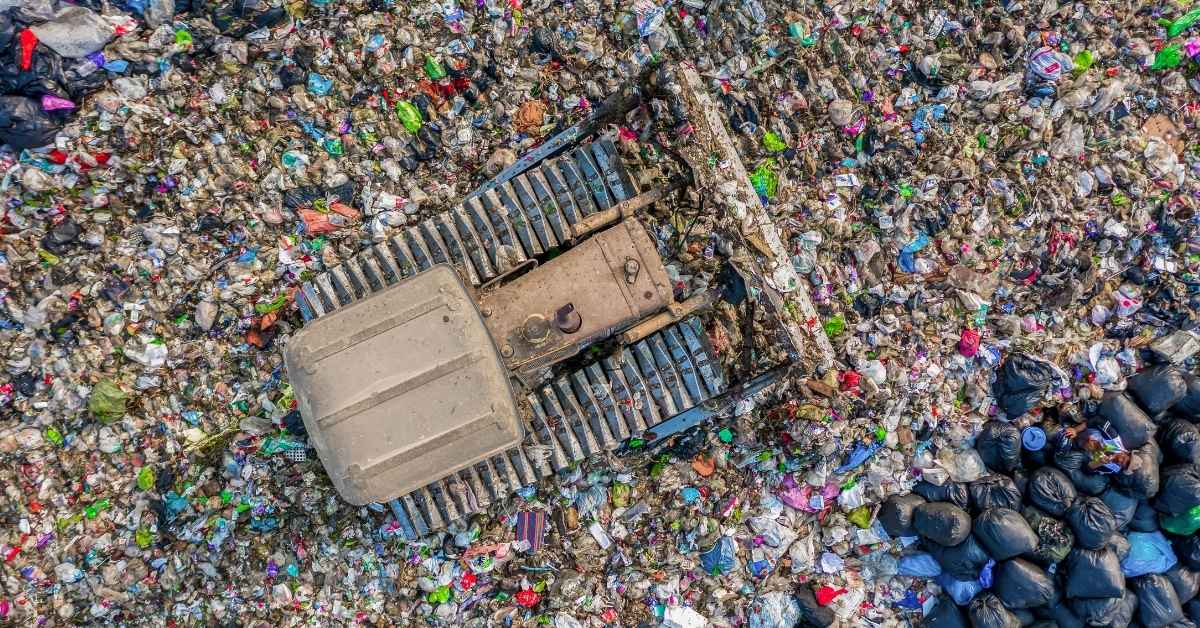
Lithium batteries that are incorrectly disposed of are causing fires at Danish recycling centers. Waste workers across Denmark are facing growing safety risks as more people forget to hand in used batteries correctly.
A new hazard in Danish recycling
Lithium batteries power more and more of our everyday tools. The cordless drill, the robot lawn mower, and the electric bicycle have all replaced older fuel or cable-based technology. But this rising use of rechargeable batteries also brings a growing challenge for Danish recycling facilities.
When the batteries run out, many people simply throw the devices away without removing the batteries first. At Nordværk, which runs recycling stations in five North Jutland municipalities, this mistake has now become a serious safety concern.

Fires sparked by discarded batteries
Several fires have already started across Denmark when lithium batteries ended up in the wrong containers. These batteries are highly flammable if punctured, crushed, or heated. Handling waste that contains them can quickly turn dangerous for recycling staff.
According to Nordværk, workers still find scooters, electric bikes, and garden equipment in the metal and electronics containers with batteries still inside. Because waste piles are moved and compacted mechanically, even a small spark can lead to a fire or explosion.
The situation underscores a wider problem that also affects sanitation workers, including Danish garbage collectors under pressure from increased waste loads and safety risks.
The importance of sorting correctly
Lithium batteries should be removed from devices and handed in separately as hazardous waste at recycling centers. This allows trained staff to store and transport them safely. Unfortunately, many residents still overlook the battery label or do not notice that a device contains lithium.
For those unsure, experts advise checking for markings that say “lithium” on the battery case. These words are often printed in English, making them easier to recognize. Unlike older lead batteries, lithium types are lightweight, compact, and sometimes built into the device, which can make them harder to identify or remove.

Recycling awareness still low
The problem has gained national attention because fires caused by faulty sorting can destroy valuable materials and threaten lives. When a battery ignites inside a recycling container, flames can spread quickly through nearby waste like cardboard, plastics, and electronics.
Danish recycling companies have begun to post clearer signage and run local information campaigns. However, progress remains slow, especially in rural areas with limited staff. As a result, industry groups are now calling for stronger awareness programs and safety education at household recycling points.
Recycling services across Denmark are evolving quickly. Many are expanding drop-off options for small electronics and batteries to make proper sorting easier for residents. Some municipalities even test automation and new methods similar to systems seen in the best recycling services in Denmark for foreigners, focusing on better labeling and digital guidance for visitors.
Nordværk strengthens safety measures
At Nordværk’s North Jutland centers, handling staff have ramped up inspections of incoming metal and electronic waste. Special training now ensures employees can spot and isolate battery-powered devices before they pose a threat. Despite these precautions, fires still occur occasionally, reminding everyone that vigilance is essential.
Because of that, Nordværk urges all residents to double-check before dropping off old equipment. Whether it is a toy, electric toothbrush, or power tool, batteries must be removed and taken to the hazardous waste section for safe storage.

Growing need for public responsibility
In fact, sorting waste correctly is one of the simplest ways Danes can support environmental safety. Even though recycling systems are generally well-managed, mistakes like mixing lithium batteries with normal waste have real consequences. They lead not only to fires but also to costly damage to sorting machinery and lost recycling material.
Without a doubt, Denmark’s clean waste reputation depends on cooperation between households and recycling staff. As more devices go cordless, responsibility grows too. Proper handling of lithium batteries will remain an essential safety issue for years ahead.
Sources and References
The Danish Dream: Danish garbage collectors under pressure
The Danish Dream: Best recycling services in Denmark for foreigners
DR: Brandfarlige batterier ender i genbrugscontaineren