

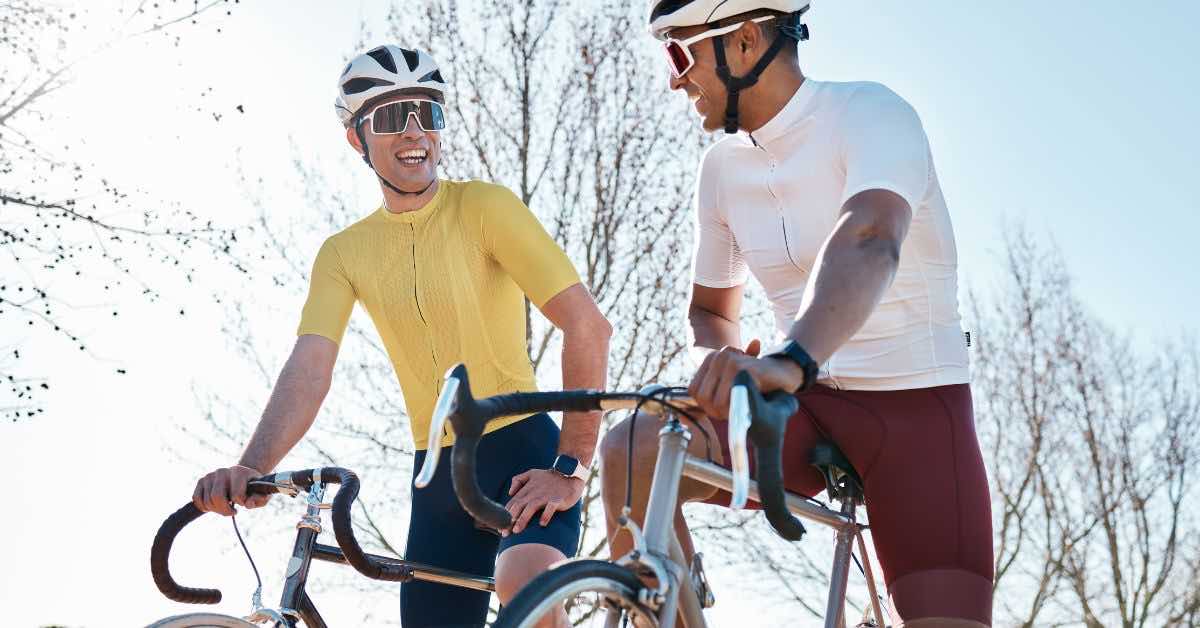
Bicycles in Denmark is an essential part of life for many people. For many Danes, the bicycle is not just a means of transportation, but a lifestyle choice that reflects values of sustainability, health, and efficiency. Foreigners arriving in Denmark are often surprised by the sheer number of bicycles, especially in cities like Copenhagen and Aarhus, where bikes sometimes outnumber cars.
Denmark’s world-class cycling infrastructure makes it easy to get around by bike. Dedicated lanes, bike-friendly traffic lights, and even special bridges for cyclists make cycling one of the fastest and most convenient ways to navigate urban areas. For newcomers, embracing cycling is not only practical but also a great way to integrate into Danish culture. In this guide, we write everything you need to know about biking and bicycles in Denmark.
If you are looking for more in-depth guides on specific matters related to bicycles in Denmark, you may want to read our other guides, in which we dive deeper into these areas:
- Best Bicycle dealers in Denmark for foreigners
- Best Bicycle sharing services in Denmark for foreigners
What Types of Bicycles are Most Common in Denmark?
When choosing a bicycle in Denmark, it helps to understand the different types available and what fits your lifestyle:
- City bikes: The most common type, designed for everyday commuting and errands. Simple, practical, and durable.
- Cargo bikes (Christiania bikes): Popular among families and expats with children, cargo bikes have a large box in the front for carrying kids, groceries, or even pets. They’re also a strong part of Danish identity.
- E-bikes: Growing in popularity, especially among longer-distance commuters or older riders who want a little extra help on hills and windy days.
- Children’s bikes: Denmark is full of kids cycling to school; many families invest in quality, safe bikes for children from an early age.
- Racing and touring bikes: More niche, but common among enthusiasts who use Denmark’s flat landscape for long-distance cycling.
For most foreigners, a city bike or an e-bike will be the most practical option. Cargo bikes are worth considering if you’re moving with children or planning to transport heavy loads regularly.
Buying vs. Renting a Bicycle in Denmark
As a foreigner in Denmark, one of the first decisions you’ll face is whether to buy or rent a bicycle. The right choice depends on how long you plan to stay, your budget, and how much you’ll use the bike.
Buying a bicycle can be a cost-effective option if you’ll be staying for more than a few months. Denmark has both new and second-hand markets, with used bikes often being a smart choice for newcomers. However, it’s important to invest in a good lock, as bike theft is common.
Renting, on the other hand, is more flexible and hassle-free. Many bicycle renting services allow short-term rentals or subscription models where maintenance is included, making it ideal if you’re not sure how long you’ll need a bike.
Here’s a quick comparison:
| Option | Pros | Cons | Best For |
|---|---|---|---|
| Buying new | Reliable, comes with warranty, long-term value | Higher upfront cost, requires maintenance | Expats staying long-term, daily commuters |
| Buying used | Cheaper, easy to find in second-hand markets | No warranty, risk of theft or hidden damage | Students, budget-conscious foreigners, short-to-mid-term stays |
| Renting short-term | No commitment, flexible, great for visitors or trial period | Can become expensive over time | Tourists, short-term residents |
| Subscription rental | Includes maintenance and insurance, hassle-free setup | Monthly costs add up, limited choice of bike models | Expats unsure of length of stay, those who want convenience and security |
In other words, if you’re planning to live in Denmark for several years, buying a bicycle (especially second-hand) is usually the most economical choice. If your stay is temporary or you want to avoid the hassle of repairs, renting or a subscription service might be the smarter option.
Rules and Regulations for Cyclists in Denmark
Cycling in Denmark is safe and enjoyable, but it also comes with clear rules that everyone — locals and foreigners alike — must follow. Danish police take bike regulations seriously, and fines can be issued if you break them. Knowing the basics will help you avoid accidents and ensure a smooth cycling experience.
Key cycling rules in Denmark:
- Cycle lanes: Always use dedicated cycle lanes where available. Riding on sidewalks is not allowed.
- Traffic lights: Cyclists must obey the same traffic lights and signs as cars. Some intersections have separate bike signals — follow them carefully.
- Lights: Bicycles must have a white front light and a red rear light when riding at night or in low visibility. Reflectors are also required.
- Hand signals: Always use hand signals when turning or stopping to alert other cyclists and drivers.
- Helmet use: Helmets are not mandatory but are highly recommended, especially in busy cities.
- Passengers: Carrying passengers on a regular bicycle is not allowed unless the bike is designed for it (e.g., cargo bikes or child seats).
- Mobile phones: Using your phone while cycling is illegal unless you use a hands-free device.
Fines for breaking rules can range from DKK 500–1,500 depending on the violation (for example, riding without lights at night or ignoring traffic signals).
By following these rules, you’ll find that cycling in Denmark is not only safe but also a very respectful and organized experience compared to many other countries.
As already mentioned, helmets are not mandatory. They are, however, good to have, which is why you will see many Danes using one. If you are looking for a good helmet, you may want to check out the selection at eCykelhjelm.

eCykelhjelm offers Denmark’s largest selection of bike helmets for women, men, children, and babies. All helmets are CE-approved, ensuring customers can shop with complete confidence. With safety as their top priority, eCykelhjelm is committed to providing only high-quality products they truly stand behind, helping to protect both riders and others in traffic.
Costs of Owning and Maintaining a Bicycle in Denmark
Cycling is one of the most affordable ways to get around in Denmark. While the initial cost of purchasing a bike can vary depending on the type, the ongoing expenses are relatively low compared to owning a car or using public transport.
These are the typical costs you can expect:
| Expense | Price Range (DKK) | Notes |
|---|---|---|
| Basic city bike (new) | 2,500 – 5,000 | Affordable, simple design for daily commutes. |
| Quality commuter bike | 5,000 – 10,000 | Better durability, gears, and comfort. |
| Cargo bike | 15,000 – 35,000 | Popular with families, higher upfront cost but practical. |
| Used bike | 500 – 3,000 | Widely available, but check condition and theft history. |
| Annual maintenance | 500 – 1,500 | Covers punctures, brakes, chain oiling, small repairs. |
| Good lock | 300 – 800 | Essential, as bike theft is common in Denmark. |
| Lights & reflectors | 200 – 500 | Required by law for safety. |
| Insurance (optional) | 500 – 1,200/year | Some home insurances cover bike theft; standalone bike insurance also available. |
Overall, a reliable new bike plus accessories will usually cost around DKK 4,000–7,000, while running costs stay low if you maintain it regularly.
What the Numbers Say About Bicycles in Denmark
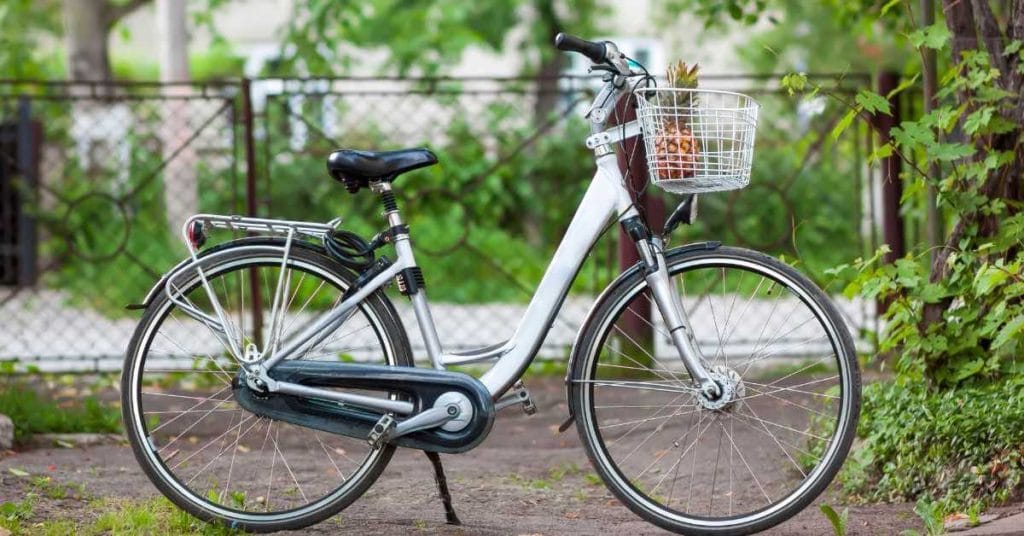
Denmark is globally recognized as one of the most bicycle-friendly nations. In cities like Copenhagen and Aarhus, cycling is not just a leisure activity but a primary mode of transportation. Research and statistics highlight just how central bicycles are to everyday life:
- Copenhagen’s cycling rate: Around 62% of Copenhageners cycle to work, school, or university daily.
- National average: Across Denmark, cycling accounts for 16–18% of all trips — one of the highest rates worldwide.
- Bicycle infrastructure: Denmark has over 12,000 km of cycle paths, with Copenhagen alone offering more than 400 km of dedicated cycle lanes.
- Cargo bikes: Around 25% of families with two or more children in Copenhagen own a cargo bike, making them an alternative to cars.
- Safety: Studies show that cycling in Denmark is significantly safer than in most countries, with a strong focus on infrastructure and awareness campaigns.
These numbers show why bicycles are not only practical but also deeply integrated into Danish culture, shaping cities into some of the most sustainable and livable in the world.
FAQ About Bicycles in Denmark for Foreigners
Do I need to register my bicycle in Denmark?
No, bicycles do not need to be registered like cars. However, you should always keep your receipt and frame number, as they are useful if your bike is stolen.
How common is bicycle theft, and how can I protect my bike?
Bike theft is unfortunately quite common in Denmark, especially in big cities. Always use a strong lock (preferably two), lock your bike to a fixed object, and consider insurance.
Can I take my bike on public transport?
Yes. Bicycles are allowed on most regional trains, S-trains, and the metro (outside of rush hours), but you usually need a separate bike ticket. Folding bikes can often be taken free of charge.
Do I need to wear a helmet?
Helmets are not mandatory by law in Denmark, but they are highly recommended, especially in busy urban areas. Many children wear them as part of traffic safety culture.
Are there special traffic rules for cyclists?
Yes. Cyclists must follow traffic lights, signal with their hands when turning or stopping, and always ride on the right-hand side. Riding without lights after dark can result in fines.
What if my bike breaks down?
Many Danish cities have free bike repair stations where you can pump tires or adjust brakes. For bigger issues, bicycle workshops (cykelværksteder) are easy to find and relatively affordable.
Is buying a used bike safe?
Yes, but always check the frame number to make sure it’s not stolen. Many used bikes are sold via Facebook Marketplace, DBA.dk, or second-hand bike shops.
