The Roskilde Museum sits in Denmark’s former medieval capital, packing 10,000 years of Danish history into a walkable old-town setting just 25 minutes from Copenhagen.
Why The Roskilde Museum Belongs on Every Expat’s List
I have lived in Denmark long enough to develop museum fatigue. There are dozens of regional museums, and many blur together after a while. The Roskilde Museum is not one of those.
It earns its place because Roskilde itself is no ordinary town. This was the seat of Danish royal and religious power for centuries. Walking into The Roskilde Museum, you walk into the story of how Denmark became Denmark.
For expats, that matters more than it sounds. Understanding Roskilde gives you the historical backbone behind half the headlines you read here. From church politics to monarchy debates, the threads still run through modern Danish life.
A Different Kind of Day Trip From Copenhagen
Roskilde is one of the easiest day trips out of the capital. The train takes about 25 minutes from Copenhagen Central Station. You arrive in a compact city that feels distinctly less polished than Copenhagen, in a good way.
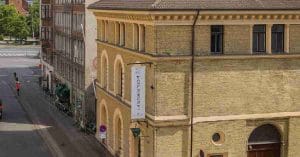
The museum sits on Sankt Ols Stræde, in the old quarter near Stændertorvet square. You can pair it with the cathedral, the fjord, and a long lunch. It is the kind of museum trip that does not feel like homework.
The History Behind The Roskilde Museum
The institution itself dates back to 1929, when it opened as a small local history collection. Today it is part of ROMU, the umbrella organisation that runs ten cultural heritage sites across the Roskilde region. That includes Lejre, Ledreborg, and Tadre Mølle.
The mission has stayed consistent across decades. The Roskilde Museum exists to interpret the city’s role in Danish history, not just store artefacts. According to ROMU, the network welcomes hundreds of thousands of visitors each year across its sites.
Roskilde, Denmark’s Forgotten Capital
Most expats know Copenhagen has been the capital since the 15th century. Fewer know that Roskilde held that role first. It was Denmark’s de facto capital from roughly the late Viking Age until 1443.
Harald Bluetooth, the king who united Denmark and gave his name to your wireless headphones, is connected to Roskilde. His son Sven Forkbeard reportedly founded the first wooden church here around the year 1000. That site later became Roskilde Cathedral.
From Vikings to the Industrial Age
The exhibitions at The Roskilde Museum follow this arc carefully. You move from prehistoric finds through the Viking period, into the medieval church city. Then come the Reformation, the market town centuries, and the railway age.
It is genuinely a span of 10,000 years, not marketing copy. The local sources include Stone Age tools from nearby digs and bronze items from local burial mounds. The medieval section pulls weight thanks to Roskilde’s outsized role in church politics.
Inside The Roskilde Museum: What You Actually See
The museum building itself is part of the appeal. It occupies a former 18th-century merchant’s house, with low ceilings and creaking floors. This is not a glass-and-steel Arken or SMK affair.
The Permanent Exhibition: 10,000 Years in Roskilde
The main permanent show is called “Roskilde 10,000 Years.” It uses Roskilde as a lens to tell the broader Danish story. You see how religion, trade, and royal power flowed through this one town for millennia.
Highlights include archaeological finds from local Viking-era settlements. There are also tools, ceramics, and personal items from medieval Roskilde. The curation favours storytelling over endless display cases, which I appreciate.
Special and Rotating Exhibitions
ROMU rotates thematic exhibitions through The Roskilde Museum each year. Recent shows have explored topics like the witch trials of 17th-century Zealand. Others have looked at industrial Roskilde and the rise of the railway town.
For families and curious expats, the rotating element keeps return visits worthwhile. Check the official ROMU website before you go. The current programme often includes English-language materials.
The Children’s Museum Element
Several ROMU sites are aimed squarely at kids, and the Roskilde location follows that ethos. There are hands-on stations where children can dress in period clothing. They can grind grain, handle reproduction Viking objects, and try medieval-style writing.
I have brought visiting friends with kids here twice. Both times the parents got more into it than the children. That is a good sign.
ROMU: The Network Behind The Roskilde Museum
To really understand The Roskilde Museum, you need to know about ROMU. ROMU is short for Roskilde Museum, and it is the state-recognised cultural-historical museum for the region. It manages ten sites in total.
Beyond the main Roskilde location, ROMU runs Lejre Museum, the Viking-era Tadre Mølle watermill, and Ledreborg Palace gardens. It also runs the Tomb of Roar legend site and the Land of Legends. That last one is the famous experimental archaeology park.
How It Differs From the Viking Ship Museum
A common confusion among expats: The Roskilde Museum is not the same as the Roskilde Viking Ship Museum. They are separate institutions with separate tickets. Both are worth seeing, but they cover different ground.
The Viking Ship Museum focuses specifically on the five Skuldelev ships excavated from the fjord. The Roskilde Museum covers the wider sweep of regional history. I recommend doing both on the same day if your legs can handle it.
Planning Your Visit to The Roskilde Museum
This is the practical section. I have visited at several times of year, and a few things matter more than the official guides admit.
Opening Hours and Admission
Standard opening hours are typically Tuesday to Sunday, around 11:00 to 16:00. The museum closes on Mondays outside school holidays. Always confirm on the ROMU website before you travel, because seasonal changes happen.
Admission to The Roskilde Museum is free for visitors under 18. Adult tickets are reasonably priced compared to Copenhagen’s big museums. A combined ROMU pass exists if you plan to visit multiple sites in the network.
How to Get to The Roskilde Museum From Copenhagen
Take any westbound regional train from Copenhagen Central Station. Trains depart roughly every ten minutes during the day. The ride to Roskilde Station takes 22 to 28 minutes depending on the line.
From Roskilde Station, the museum is a flat ten-minute walk through the old town. Follow the signs toward Stændertorvet and the cathedral. Cycling is also easy, and Roskilde is well set up for bikes.
Best Time of Year to Visit
I have visited in deep winter and in midsummer. Both have merits, but the answer depends on what you want from the trip. Spring and early autumn are my picks for the combined museum-and-town experience.
Summer brings tourists and Roskilde Festival energy. Winter empties the streets and makes the museum feel intimate. Avoid the festival week in late June or early July if you want quiet.
How To Get the Most Out of The Roskilde Museum
Here is the practical list, based on years of dragging friends and family through Danish museums.
- Arrive at opening time. The first hour is the calmest, and morning light through the old windows is genuinely lovely.
- Read the English signage. Most permanent displays have English alongside Danish, but the special exhibitions can be Danish-only.
- Allow two to three hours. You will not see it properly in less, and rushing this museum defeats the purpose.
- Pair it with the cathedral. The two together tell the full story of medieval Roskilde, and they are five minutes apart.
- Eat at Stændertorvet square. Lunch options near the museum beat the on-site café for a longer break.
- Buy the combined ROMU pass if you want to add Lejre or Ragnarock the same week.
- Check school holidays. Family programming ramps up during Danish school breaks, which is great for kids and busy for adults.
What to Combine With a Visit to The Roskilde Museum
Roskilde rewards a full day, not a quick stop. The town is small but dense with things worth seeing. Most are within a 20-minute walk of the museum.
Roskilde Cathedral, a UNESCO Site
The cathedral is the obvious pairing. It has been a UNESCO World Heritage Site since 1995. It holds the tombs of 39 Danish kings and queens, including Margrethe I and most of the modern royals.
The contrast with the museum is what makes the combination work. You read the history in the museum, then walk into the building where it actually happened. It is the closest Denmark gets to time travel.
The Viking Ship Museum and the Fjord
Down at the harbour, the Viking Ship Museum offers a different angle entirely. Its star pieces are the five 11th-century ships pulled from the fjord in the 1960s. You can also sail on a reconstructed Viking vessel in summer.
The harbour walk between the cathedral hill and the ship museum takes about 15 minutes. It runs through a small park and along the water. On a clear day, it is one of the best urban walks in Denmark.
Ragnarock and Modern Roskilde
For something completely different, the Ragnarock Museum covers Danish pop, rock, and youth culture. It is a few kilometres from the centre, in the Musicon district. The contrast with The Roskilde Museum’s medieval focus is striking and surprisingly satisfying.
If you have multiple days, look at other Danish heritage sites in the region. ROMU’s Lejre and Ledreborg locations are easy add-ons by car.
An Expat’s Honest Take on The Roskilde Museum
I will be direct. The Roskilde Museum is not a blockbuster experience like the National Museum or Louisiana. The displays are modest, the building is small, and the marketing barely reaches international expats.
That is also exactly why I keep recommending it. The scale fits the story. You leave with a clearer mental map of how Denmark grew up, not just a phone full of photos.
For new arrivals trying to make sense of Danish culture, that mental map is worth a lot. Once you understand Roskilde’s role, the modern country starts to make more sense. The church-state balance, the monarchy’s quiet authority, even the Danish discomfort with grand gestures, you see roots for all of it here.
Frequently Asked Questions About The Roskilde Museum
What are the opening hours of The Roskilde Museum?
The Roskilde Museum is typically open Tuesday through Sunday, from 11:00 to 16:00, and closed on Mondays. Hours vary by season and during Danish school holidays. Always confirm the current schedule on the official ROMU website before your visit.
How much does The Roskilde Museum cost?
Adult admission to The Roskilde Museum is moderately priced, well below Copenhagen’s largest museums. Visitors under 18 enter free, which is standard across most ROMU sites. A combined pass is available if you plan to visit several ROMU museums in one week.
How do I get to The Roskilde Museum from Copenhagen?
Take a regional train from Copenhagen Central Station toward Roskilde. The journey takes 22 to 28 minutes, with trains departing every ten minutes during the day. From Roskilde Station, the museum is a ten-minute walk through the old town toward Stændertorvet.
Is The Roskilde Museum the same as the Viking Ship Museum?
No, these are two separate institutions in Roskilde. The Roskilde Museum is a cultural-historical museum covering 10,000 years of local history. The Viking Ship Museum is a maritime archaeology museum focused on the five Skuldelev ships from the fjord.
Is The Roskilde Museum suitable for children?
Yes, the museum includes hands-on stations and family-focused programming throughout the year. Kids can try on period clothing, handle reproduction objects, and explore interactive displays. Family activities expand significantly during Danish school holidays.
How long should I spend at The Roskilde Museum?
Plan for two to three hours to see the permanent exhibition and one or two special shows. Add another two to three hours if you want to combine it with Roskilde Cathedral and the harbour. A full day in Roskilde is realistic and rewarding.
Does The Roskilde Museum have information in English?
Most permanent exhibitions include English signage alongside Danish. Special and temporary exhibitions are sometimes Danish-only, especially smaller community-focused shows. Guided tours in English can be arranged in advance through ROMU.
What other museums in Roskilde are worth visiting?
The Viking Ship Museum is the obvious second stop for any history-minded visitor. The Ragnarock Museum offers modern music and youth culture in the Musicon district. Roskilde Cathedral, while technically an active church, functions almost as a royal mausoleum and is essential.
Is The Roskilde Museum accessible for visitors with disabilities?
The museum is housed in a historic 18th-century building, which creates some accessibility limitations. ROMU works to accommodate visitors with mobility needs and provides advance support on request. Contact the museum directly before your visit to arrange specific assistance.
When is the best time of year to visit The Roskilde Museum?
Spring and early autumn balance pleasant weather with manageable visitor numbers. Summer is busy and lively, with festival energy in late June and early July. Winter is quiet and atmospheric, ideal if you prefer a slower, more reflective museum experience.