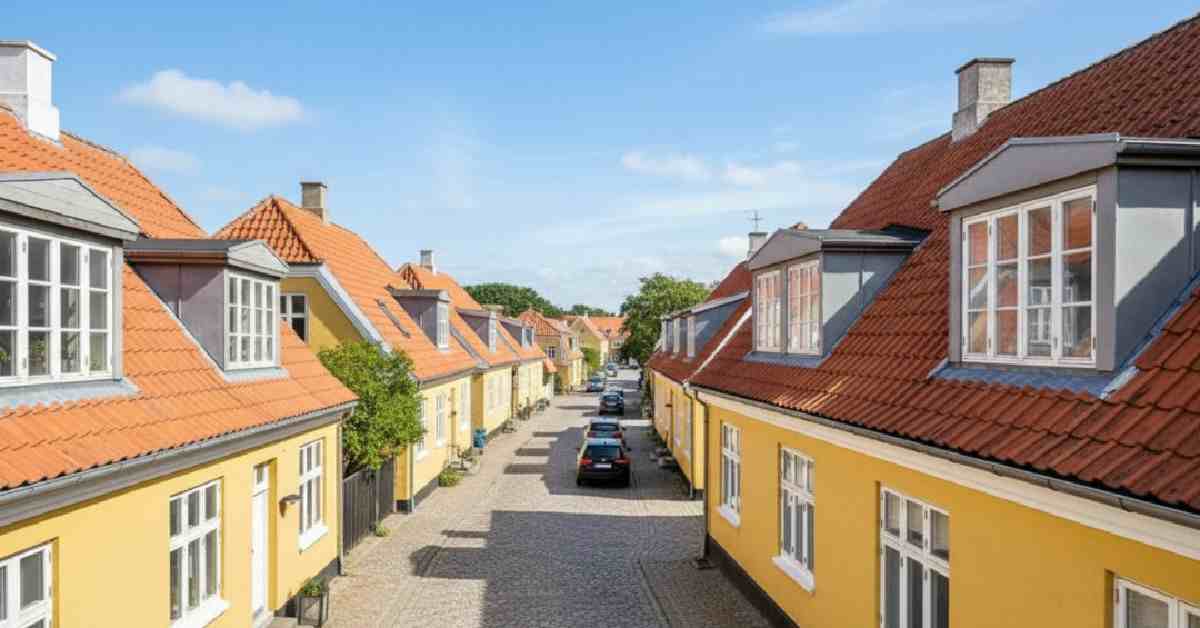
Nestled at the northernmost tip of Denmark, Skagen is a place where natural beauty converges with rich cultural history. It is known for its stunning landscapes and vibrant arts community. Also, this place has long been a source of inspiration and a compelling destination for me and my friends. We have had to go there twice just we did for Skanderborg.
With a population of around 8,000 people, this small town is renowned for its unique light, sandy beaches. Additionally, it is famous for the point where two seas meet: the Skagerrak and Kattegat.
The Landscape of Skagen and More
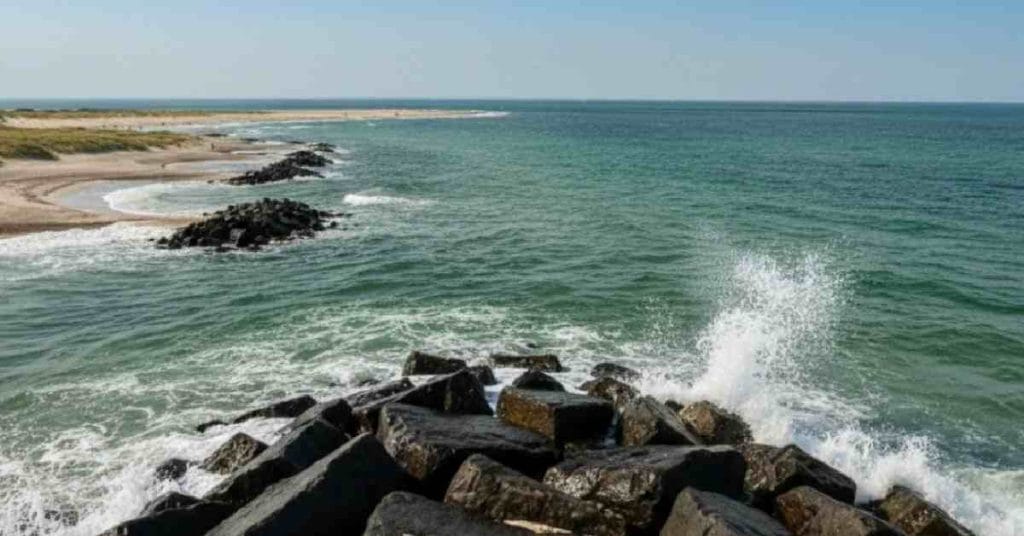
One of Skagen’s most captivating features is its geography. The town sits at Grenen, the northernmost point of Denmark, where the Baltic Sea and the North Sea meet. Besides, this natural spectacle creates a striking visual and auditory symphony as the waves collide. Thus, making it a must-see for nature enthusiasts. The windswept dunes and expansive sandy beaches add to the destination’s ethereal charm. Therefore, offering visitors a sense of tranquility and a connection to nature that is hard to find elsewhere.
In addition to its beaches, the town is home to the Råbjerg Mile, Denmark’s largest migrating sand dune. This massive stretch of sand, covering approximately 2 square kilometers, moves at a rate of up to 18 meters per year due to wind erosion. Visitors can walk on the dune, offering a unique opportunity to experience a dynamic and ever-changing landscape.
A Hub of Artistic Inspiration
Skagen’s extraordinary light has long been a magnet for artists. It inspired some of the most prominent open-air painters in Danish history. In the late 19th and early 20th centuries, the Skagen Painters, a group of Scandinavian artists, flocked to the town. And they captured its natural beauty on canvas. The distinctive light, influenced by the reflections from the sea and sand, results in a unique palette. And this effect has been immortalized in countless paintings.
The town celebrates this artistic legacy with the Skagens Museum, which houses an excellent collection of works. This includes works by these famous painters: Peder Severin Krøyer, Anna Ancher, and Michael Ancher. The museum not only showcases the works of the painters but also provides visitors with context about their lives and techniques. Hence, offering a deeper understanding of their works and the environment that inspired them.
Cultural and Historical Significance
Beyond its natural beauty and artistic contributions, Skagen is steeped in cultural and historical significance. The town’s history dates back to the Middle Ages. And its strategic coastal location has made it an important site for maritime activities over the centuries. Historically, the town was a bustling fishing port. And remnants of this heritage are still visible in the charming, yellow-painted fishermen’s houses that dot the landscape.
Skagen’s maritime legacy is celebrated at the Skagen Maritime and Historical Museum. Artifacts, photographs, and interactive displays provide insight into the lives of the local fishermen and their enduring relationship with the sea.
Ecological Importance
The town also holds significant ecological value. The surrounding dunes, heathlands, and coastal waters form a remarkable natural habitat. Birdwatchers, in particular, are drawn to the area, as the site serves as a crucial stopover for migratory birds. They travel between Nordic countries and southern Europe. This is especially true during the spring migration, when thousands of birds can be observed soaring above the coastline.
Planning Your Visit to Skagen: When to Go and What to Know
Best Time to Visit
Skagen’s appeal is truly year-round, but the best time to visit depends on what you want to experience. The region experiences a temperate climate, with summer temperatures averaging around 20°C (68°F). Thereby, making June to August the ideal time for enjoying the beaches, nature walks, and beautiful light. This is also when the town comes alive with festivals, including the famous Skagen Festival in July. This is Denmark’s oldest music festival.
If you are interested in birdwatching, consider visiting during the spring migration season from March to May. Bird enthusiasts from around the world flock to this place to witness the awe-inspiring sight. You will catch a view of thousands of birds flying overhead on their way to more northern nesting grounds.
Getting to Skagen
The town is well-connected and relatively easy to reach, despite its remote location. The nearest airport is Aalborg Airport, approximately 100 kilometers south of Skagen. From Aalborg, you can rent a car or take a train to Frederikshavn, where you can transfer to a regional train that will take you directly to the town. The train journey from Aalborg to Skagen takes about two and a half hours but offers beautiful views.
Alternatively, driving to this location offers more flexibility, allowing you to explore the surrounding areas at your own pace. The drive from Copenhagen to Skagen takes approximately five to six hours, with well-maintained roads and signposts guiding your way north.
Exploring Skagen: Tips for a Memorable Visit
1. Discover Nature at Your Feet: Walking and cycling are the best ways to explore this town and its stunning natural landscape. The town is small and pedestrian-friendly, and there are several bike rental shops. Paths like the “Grenen” track lead you right to the tip of the headland.
2. Experience the Magic of the Seas Meeting: A trip to Grenen to witness the collision of the Skagerrak and Kattegat seas is a must. Consider taking one of the tractor-pulled sand buses called “Sandormen,” which operate regularly during peak season, to get closer for a better view.
3. Dive into Art and History: Give yourself plenty of time to explore the Skagens Museum. Additionally, the Anchers Hus, the home of artists Michael and Anna Ancher, provides a unique glimpse into their personal lives and surroundings.
4. Visit the Buried Church: Den Tilsandede Kirke, or the “Buried Church,” is one of Skagen’s most intriguing historical sites. Partially buried by sand dunes, only the tower remains visible today. This site reflects the historical struggle against shifting sands in the region.
5. Enjoy Local Culinary Delights: No visit is complete without sampling the local cuisine. The town is famous for its fresh seafood, and local eateries offer bounty from the sea. Moreover, don’t miss out on trying “skagenrøre,” a delicious seafood dish made with shrimp.
Considerations for a Sustainable Visit
As you explore Skagen, remember to respect its natural environment. Stick to marked trails to protect the delicate ecosystems, particularly in the dune areas. Take the time to learn about local conservation efforts and consider supporting eco-friendly businesses during your stay. By doing so, you will be contributing to the preservation of Skagen’s unique charm for future generations.
Conclusion
Skagen is a truly remarkable destination that weaves together Denmark’s natural beauty, cultural heritage, and artistic inspiration. From the breathtaking meeting of the seas at Grenen to the rich artwork created by the Skagen Painters, the town offers a unique blend of experiences. Lastly, Skagen’s landscapes and storied history promise a wonderful journey of discovery.
FAQs about Visiting Skagen
1. How do I get to Skagen?
You can reach there by flying into Aalborg Airport and then taking a train or driving. The train journey from Aalborg to Skagen takes about two and a half hours, while driving from Copenhagen takes about five to six hours.
2. When is the best time to visit Skagen?
Summer (June to August) is the best time to enjoy the beaches and outdoor festivals. Spring (March to May) is ideal for birdwatching during the migration season.