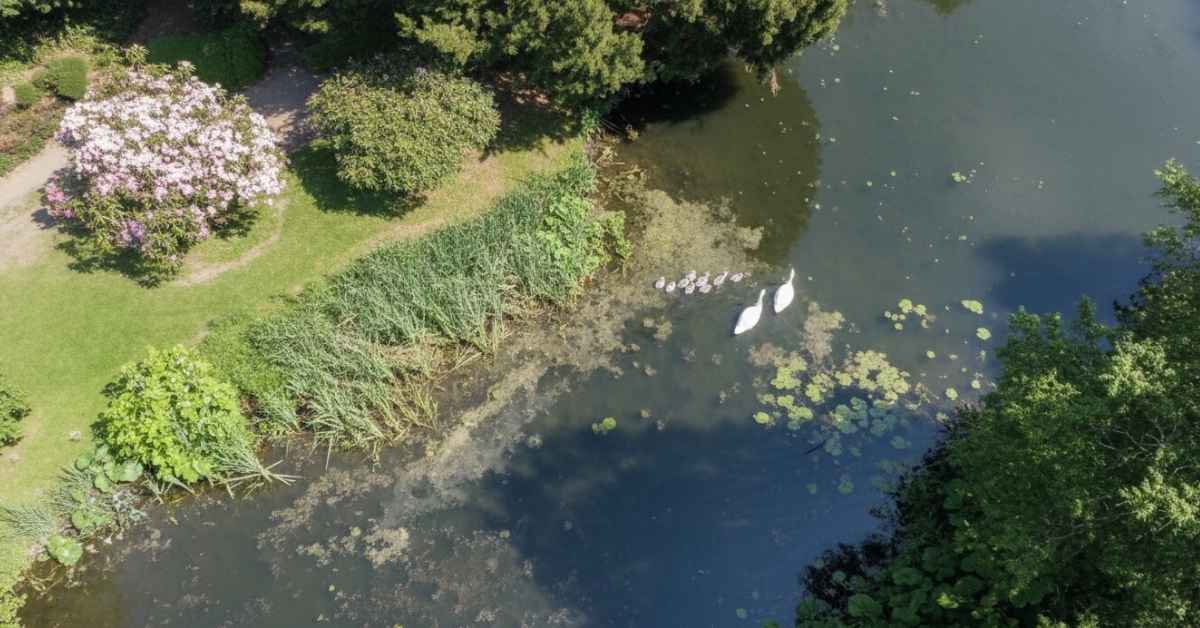
Østre Anlæg: Copenhagen’s Green Gem of History and Culture
Key Points:
- Historical Significance of Østre Anlæg: Originally part of Copenhagen’s 17th-century defensive fortifications, it was transformed into a public park in the late 19th century, symbolizing the city’s adaptive reuse of historical military structures.
- A Natural Oasis in Urban Copenhagen: Spanning approximately 12 hectares, Østre Anlæg features diverse landscapes with lawns, lakes, and tree canopies, promoting green living, well-being, and environmental sustainability within the city.
- Cultural and Artistic Connections: Located next to the Statens Museum for Kunst, the park integrates art through sculptures and installations, serving as an open-air gallery that enhances cultural and artistic engagement.
- Best Visiting Seasons and Accessibility: The park is most vibrant from May to September, accessible via public transport and cycling paths, making it an ideal outdoor destination regardless of the season.
- Visitor Tips and Role in Copenhagen’s Identity: Visitors are encouraged to explore hidden areas, respect the environment, and combine visits with nearby attractions like the museum, as Østre Anlæg embodies Copenhagen’s history, culture, and sustainability ideals.
Nestled in the bustling heart of Copenhagen, Østre Anlæg stands as a testament to Denmark’s seamless integration of urban life, history, and natural beauty. This lush park, sprawling over approximately 12 hectares, provides a tranquil oasis just a stone’s throw from the city’s vibrant streets. Østre Anlæg not only offers a refuge for city dwellers seeking peace and relaxation but also serves as a vibrant cultural landmark steeped in historical significance.
The Historical Significance of Østre Anlæg
The origins of Østre Anlæg are deeply embedded in Copenhagen’s rich historical tapestry. This verdant expanse was once part of the city’s defensive fortifications system, which dates back to the 17th century. Built to protect Copenhagen from invaders and sieges, these fortifications played a critical role in the city’s development and resilience.
By the late 19th century, as military needs evolved and urban expansion became a priority, the city repurposed these defensive structures into public spaces. Thus, Østre Anlæg was born out of this transformation, converting old moats and ramparts into a picturesque park for public enjoyment. The park symbolizes the city’s adaptability and foresight, preserving history while fostering community health and recreation.
A Natural Retreat in the Urban Landscape
Today, Østre Anlæg serves as one of Copenhagen’s largest and most beloved parks, embodying the city’s commitment to green living and sustainability. The park’s expansive lawns, winding paths, and serene lakes offer a perfect getaway for those seeking a breath of fresh air amid the urban environment. It underscores Denmark’s reputation for integrating nature into everyday life, providing essential green spaces that promote well-being and environmental harmony.
The park’s geographical diversity captivates visitors with its variety of landscapes. Mature trees form a canopy over scenic walkways, while flower gardens burst with color in the warmer months, enhancing the park’s aesthetic appeal. Østre Anlæg’s design reflects a blend of English landscaped gardens and more naturalistic elements, creating an inviting environment for relaxation and exploration.
A Cultural Haven with Artistic Connections
Østre Anlæg is more than a park; it is a cultural haven that bridges nature and art. One of its most notable features is its proximity to the Statens Museum for Kunst (SMK), Denmark’s National Gallery. The museum, located adjacent to the park, houses an extensive collection of artwork from various periods, drawing art aficionados from around the globe. This proximity to such a prestigious institution adds a significant cultural dimension to the park, making it a focal point for Copenhagen’s artistic community.
Within the park, visitors will encounter a variety of sculptures and art installations. These artistic elements invite reflection and offer an added layer of intrigue to a stroll through the park. Østre Anlæg seamlessly integrates art into its landscape, providing an open-air gallery that enriches the visitor experience.
Why Østre Anlæg Matters
Østre Anlæg is important not only for its beauty and recreational value but also for its role as a cultural and historical touchstone in Copenhagen. It encapsulates the essence of the city’s evolution—from its fortifiable past to its present-day embrace of art, culture, and ecological stewardship. This park embodies the Danish principles of sustainability and community well-being, making it not just a place to visit but a vital part of the city’s identity.
For anyone seeking to understand Copenhagen through its parks and public spaces, Østre Anlæg is indispensable. It reflects the city’s ability to honor its past while creating spaces that foster contemporary life. Whether you’re drawn to its historical roots, cultural offerings, or simply the serene escape it provides, Østre Anlæg stands out as a must-explore destination in Denmark’s capital.
Planning Your Visit to Østre Anlæg
Exploring Østre Anlæg provides a unique opportunity to experience the intersection of Copenhagen’s historical grandeur and contemporary urban charm. Knowing when to visit and how to make the most of your experience can enhance the enjoyment of this verdant retreat.
Best Time to Visit
The park is accessible throughout the year, each season offering its own special allure. However, for those who wish to enjoy the lush greenery and vibrant floral displays, the best time to visit Østre Anlæg is between May and September. During these months, Copenhagen enjoys warmer temperatures, ranging between 15°C and 22°C, perfect for outdoor leisure and exploration.
Spring heralds the park’s transformation with blossoming flowers and budding trees, while summer showcases the park in full glory, with long daylight hours offering ample time to explore. Autumn decorates the landscape with a kaleidoscope of colors, providing a picturesque setting for walks. Even in winter, the park exudes a serene beauty, especially if covered in a light dusting of snow.
Getting to Østre Anlæg
Conveniently situated in central Copenhagen, Østre Anlæg is easily accessible by various modes of transportation. For those using public transport, the nearest major transport hub is Nørreport Station, from which the park is only a brief walk. Buses, trains, and the metro converge at this station, making it an effective starting point.
If you’re opting to cycle—a popular mode of transportation in the city—Copenhagen is renowned for its extensive and user-friendly network of cycling paths. The city’s commitment to cycling facilities ensures that Østre Anlæg is easily reachable from virtually any part of Copenhagen, enhancing the experience with a scenic ride.
Visitor Tips for Østre Anlæg
Check the Weather: Before planning your visit, it’s sensible to monitor weather conditions. On sunny days, visitors should pack sunscreen, hats, and water to stay comfortable. If rain is forecasted, carrying an umbrella or raincoat can keep your outing enjoyable and dry.
Encourage Exploration: While it’s tempting to lounge amidst the beauty of Østre Anlæg’s landscapes, take time to explore its hidden nooks and discover the multitude of sculptures dotting the park. Each sculpture tells a story and adds a layer of cultural richness to your walk.
Visit the Statens Museum for Kunst: Enhance your visit by combining it with a trip to the Statens Museum for Kunst, located next to the park. This national gallery offers a vast collection of art spanning multiple eras and is a perfect complement to the outdoor art installations found within the park.
Bring a Picnic: Taking a picnic to Østre Anlæg is a perfect way to enjoy Copenhagen’s al fresco lifestyle. Spread a blanket, unfold a meal, and listen to the symphony of nature and Copenhagen’s urban soundtrack blending in the background.
Respect the Environment: Visitors are encouraged to maintain the park’s cleanliness by properly disposing of waste and respecting the wildlife and plant life that call Østre Anlæg home. Responsible enjoyment ensures that the park remains a beautiful haven for future visitors.
[elementor-template id=”36828″]Østre Anlæg invites you to bask in its historical gravity and natural beauty. Whether you’re exploring alone or with family and friends, this park promises rejuvenation and cultural enrichment at every visit, making it an essential part of any Copenhagen itinerary.
Conclusion: The Timeless Allure of Østre Anlæg
Østre Anlæg represents a unique blend of history, culture, and nature in the heart of Copenhagen. This expansive park, shaped by its origins as military fortifications, offers stunning landscapes and rich cultural experiences. From its lush greenery and historical significance to its proximity to the Statens Museum for Kunst, Østre Anlæg is an essential and enriching part of Copenhagen’s urban identity. Whether you’re drawn by its beauty or its historical and cultural connections, a visit to Østre Anlæg promises relaxation and inspiration in equal measure.
Summary
– Historical Roots: Once part of Copenhagen’s military defenses, transformed into a public park in the late 19th century.
– Expanse and Participation: Covers approximately **12 hectares**, offering diverse landscapes and ample space for exploration.
– Cultural Connection: Adjacent to the Statens Museum for Kunst, combining natural beauty with art and culture.
– Ideal Conditions: Best visited between May and September, with mild weather conducive to outdoor activities.
– Visitor Tips: Accessible by public transport and bicycles, ideal for picnics, and respecting the park’s natural environment is encouraged.
FAQ About Østre Anlæg
1. What is the historical significance of Østre Anlæg?
Originally part of Copenhagen’s defensive fortifications, Østre Anlæg was transformed into a public park in the late 19th century, preserving a piece of the city’s past.
2. How can I reach Østre Anlæg?
The park is easily accessible via Nørreport Station by train, metro, or bus. Copenhagen’s bike paths also offer a scenic route for cyclists.
3. Are pets allowed in the park?
Yes, pets are allowed in Østre Anlæg, but they should be kept on a leash, and it’s important to clean up after them.
4. Is there an entrance fee to Østre Anlæg?
No, Østre Anlæg is free to the public and open all year round.
5. What nearby attractions can I visit along with Østre Anlæg?
The Statens Museum for Kunst is directly adjacent to the park, and other nearby attractions include the Botanical Gardens and Rosenborg Castle.
6. Can I host events or picnics?
Yes, picnics are welcome, and small gatherings are allowed. For large events, check with local authorities for necessary permissions.
7. What facilities are available at Østre Anlæg?
The park offers expansive lawns, walking paths, and sculptures for visitors to enjoy, with restroom facilities available near the Statens Museum for Kunst.
8. Is Østre Anlæg accessible for those with mobility challenges?
Yes, the park features paths that are accessible to wheelchairs, although some natural terrains may present challenges.
9. What kind of art installations can be found within the park?
Various sculptures and art installations are scattered throughout Østre Anlæg, enriching the visitor’s experience with artistic and cultural reflections.
Østre Anlæg awaits as an inviting tableau of history, culture, and nature, offering an escape within the heart of Copenhagen. Whether you seek solitude or cultural enrichment, this park is sure to provide an exceptional experience.