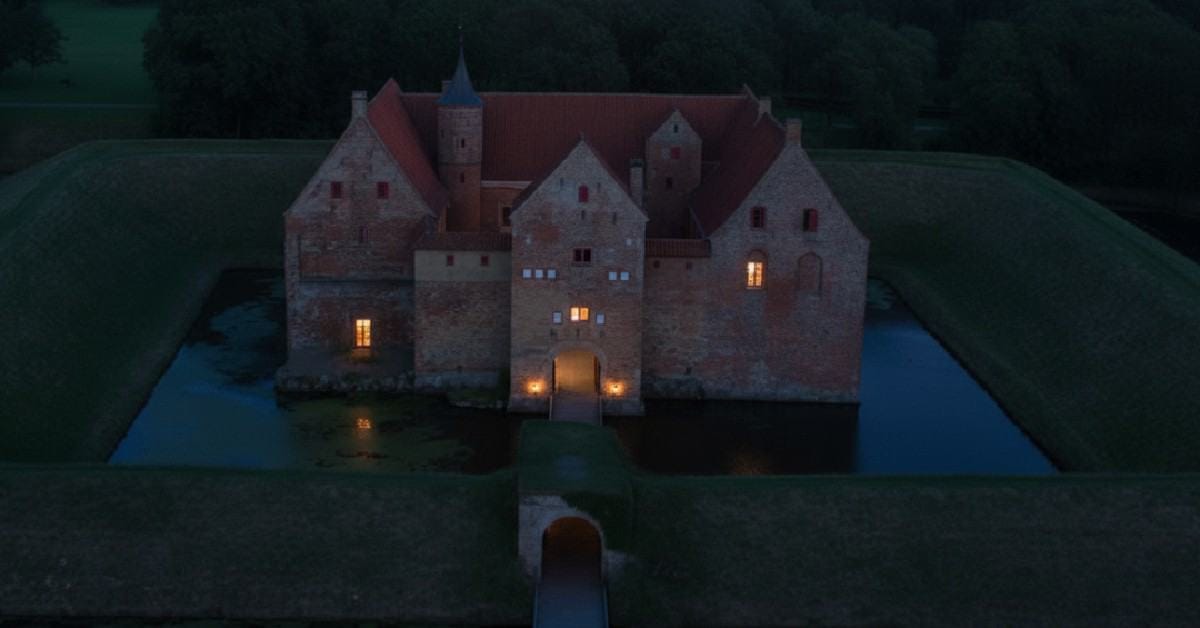
In the serene landscape of Northern Denmark, Spottrup Castle stands as a well-preserved fortress.
Key Points:
- Location and Historical Significance: Nestled in North Jutland, Spottrup Castle is a well-preserved medieval fortress built in the early 16th century to defend against civil unrest, reflecting Denmark’s turbulent history.
- Architectural Features: The castle features classic medieval elements such as thick walls, a moat, and a drawbridge, with an expansive size of about 44 x 45 meters built from red bricks with gothic accents.
- Best Time to Visit and Events: Visit between May and September to enjoy pleasant weather and seasonal events like medieval tournaments that bring the castle’s history to life.
- Getting There and Visitor Tips: Easily accessible from Skive by car or bus, visitors should allocate 2-3 hours, join guided tours, explore the herb garden, and check the event calendar for a richer experience.
- Overall Significance and Visitor Experience: Spøttrup Castle offers a genuine glimpse into Denmark’s medieval past through its architecture and historical reenactments, making it a valuable cultural and educational site.
It is located in Skive Municipality, North Jutland. Known as Spøttrup Borg in Danish, the castle is renowned not only for its historical significance but also for its complex architecture. I observed how well-preserved the castle is. It shows how much the Danish people cherish this fortress.
Constructed in the early 16th century, Spøttrup Castle is one of Denmark’s best-preserved medieval castles. The construction of the fortress began in 1520 and was completed around 1530. Though its roots stretch further back in history. Originally built by the Bishopric of Viborg, the castle was designed as a defensive stronghold during a tumultuous period marked by the civil strife of the Count’s Feud (1534-1536). It was a civil war that profoundly impacted the Danish realm. Moreover, the castle’s imposing walls and strategic construction reflect the era’s need for robust protection.
Over the centuries, Spøttrup Castle has seen various transformations and ownerships, from religious hands to private ownership post-Reformation. Despite these changes, the structure has retained its medieval charm, providing a rare, genuine representation of fortress architecture in Denmark.
Spottrup Castle: An Architectural Marvel of the Middle Ages
The architectural design of Spottrup Castle is one of its grandest attractions. The layout features classic characteristics of medieval fortress design including a moat, thick walls, and a robust drawbridge. Thereby, enhancing its historical allure.

The castle’s impressive size and design are evident with its vast area. The outer dimensions stretch approximately 44 x 45 meters, surrounded by a double moat system. Its sturdy, brick-built structure provides a classic example of Danish medieval architecture, characterized by red bricks and gothic elements. This model architectural style helps narrate the story of Danish medieval construction and defense strategies employed during its time of use.
Visiting Spottrup Castle: When and How to Explore
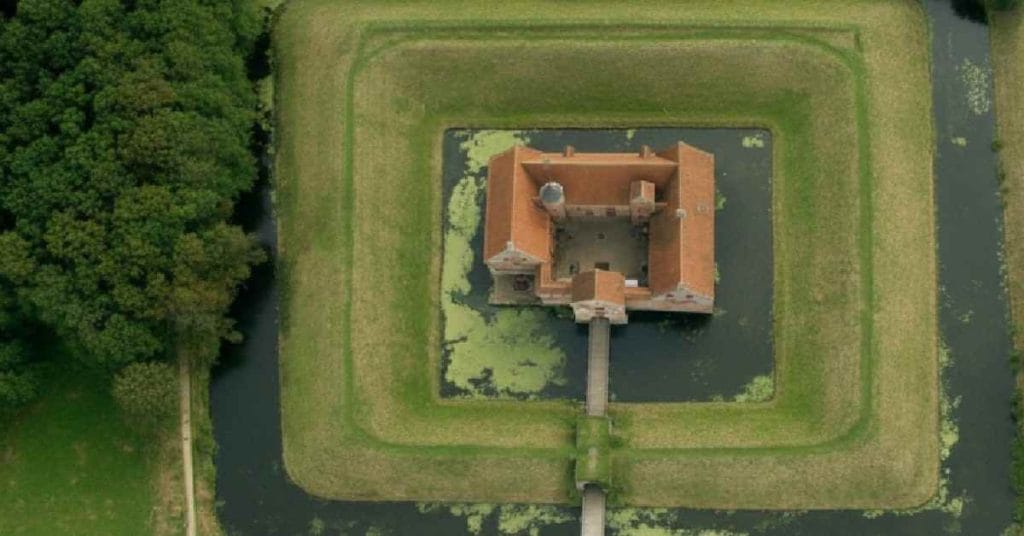
Spottrup Castle welcomes visitors throughout the year. Though the best time to visit is between May and September when the weather is generally more pleasant, and the castle grounds are in full bloom, offering stunning views of the surrounding landscapes. During this period, the warmer climate enhances the outdoor experience. Thus, allowing guests to truly appreciate the castle’s external fortifications and moats.
The castle complex hosts various seasonal events during these months, such as medieval tournaments and reenactments, offering an immersive cultural experience. These events provide a vivid illustration of life in the Middle Ages, making a summer visit especially memorable. These lively events typically draw larger crowds. So visitors interested in a quieter experience may prefer the months just before or after the peak summer period.
Getting to Spottrup Castle
Spøttrup Castle is located approximately 16 kilometers from the town of Skive, and reaching the castle is straightforward with a variety of transport options. For those driving from Skive, the journey takes about 20 minutes via Route 591, with convenient signage leading directly to the castle. There is ample parking available on-site.

Alternatively, public transportation is also a viable option. Visitors can catch a bus from Skive to Rødding, followed by a short taxi ride to the castle. The Danish public transport system is efficient, and utilizing buses provides an excellent opportunity to enjoy the scenic views of the Danish countryside.
Visitor Tips and Advice
Plan Your Time: Allow at least two to three hours to thoroughly explore Spøttrup Castle. The site is large and replete with fascinating rooms, artifacts, and exhibitions that document its vivid past.
Guided Tours: Consider joining a guided tour to gain deeper insights into the castle’s history and architecture. Knowledgeable guides offer stories and anecdotes that enrich the visitor experience. And tours are generally available in both Danish and English.
Explore the Gardens: Do not miss the medieval herb garden adjacent to the castle. This historically accurate garden is meticulously tended and designed to reflect the horticultural practices of the time. With over 250 species of plants, the garden is an important aspect of the Spøttrup Castle experience.
Check the Events Calendar: Before visiting, check the castle’s official website or contact their visitor center for the latest schedule of events and exhibitions. Participating in a medieval fair or a historical reenactment can add more fun to your visit.
Refreshments: While the castle does not have its own restaurant, nearby Rødding offers cafes and restaurants perfect for enjoying a meal after your tour. Visitors might also consider packing a picnic to relish in the peaceful atmosphere of the castle’s grounds.
Conclusion
Spøttrup Castle offers a rare glimpse into the past through its remarkably preserved architecture and rich backstory. Its significance lies not only in its imposing structure and strategic defense mechanisms, but also in its capacity to convey the story of Denmark’s medieval period with authenticity and depth. As a cultural treasure trove, the castle invites visitors to explore its storied halls, engage with its past through guided tours and reenactments, and reflect on the turbulent times that required such fortifications.
Frequently Asked Questions about Spottrup Castle
1. Is Spøttrup Castle open all year round?
Yes. The castle is open year-round, though the visiting experience is most enjoyable between May and September when the weather is favorable and a variety of outdoor events take place.
2. How much time should I allocate for visiting Spøttrup Castle?
Plan for an afternoon. Visitors should plan to spend at least two to three hours at the castle to fully appreciate its historical exhibits and scenic surroundings.
3. Can I reach Spøttrup Castle using public transportation?
Yes. Bus and taxi options are available from Skive, and the public transportation system in Denmark is efficient and relatively easy to navigate.
4. Is Spøttrup Castle suitable for children?
Absolutely. The castle often hosts family-friendly events, such as medieval fairs, which are engaging for visitors of all ages.
5. Are there any dining options at Spøttrup Castle?
No formal dining. While there is no onsite restaurant, visitors can explore nearby cafes and restaurants or bring a picnic to enjoy in the castle’s gardens.
6. What should I not miss during my visit?
The herb garden. Besides the castle fortifications and exhibits, the medieval herb garden is a must-see, offering a historical perspective on medieval plant use and gardening practices.