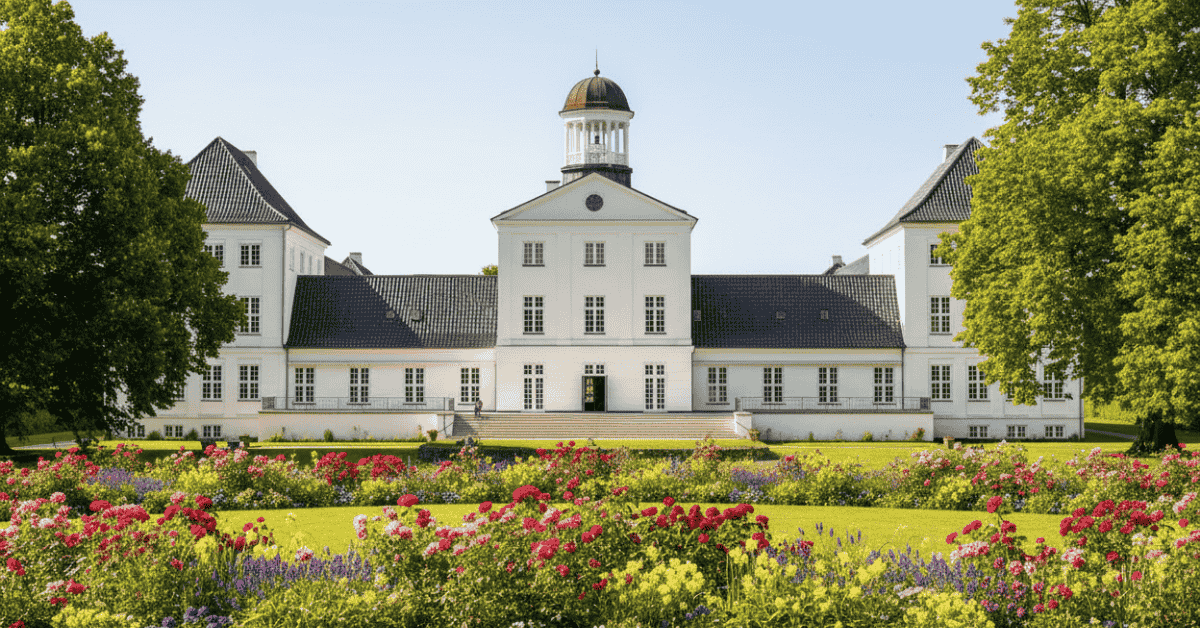
Gråsten Palace, nestled in the picturesque town of Gråsten in Southern Jutland, Denmark, stands as a majestic testament to the rich cultural tapestry and royal history of the nation. It has been a symbol of Danish heritage, acting as both a royal residence and a cultural hub, drawing visitors from around the world with its stunning architecture, breathtaking gardens, and storied past.
- A Majestic Landmark: Built in 1759, Gråsten Palace showcases a harmonious blend of Baroque and Neoclassical architecture and has a rich history as a royal summer residence.
- Enchanting Gardens: The palace gardens, designed by C.C. Prip-Møller, span over 40 acres with a mix of English and French landscaping, hosting an annual floral festival.
- Historical and Cultural Significance: Gråsten Palace is a site for royal ceremonies, exhibitions, and reflects Denmark’s royal heritage, history, and evolving culture.
- Visiting Tips and Practicalities: Open during summer months, the palace offers guided tours, scenic gardens, and accessible grounds, with tips for better visits including timing and photography.
- Timeless Cultural Icon: As a symbol of Danish royal history and tradition, Gråsten Palace offers visitors a blend of history, architecture, and natural beauty in a vibrant cultural setting.
A Majestic Landmark
Built in 1759, Gråsten Palace is a marvel of architecture that reflects the elegance typical of a Danish royal estate. The current structure you see today emerged from the ruins of an earlier 16th-century castle that succumbed to devastation by fire. It was subsequently reconstructed, blending both Baroque and Neoclassical styles, which continue to captivate architects and history aficionados alike. The palace comprises a charming main building and several annexes, all enclosed by expansive gardens teeming with blooms that turn the grounds into a floral paradise from late spring to early autumn.
Gråsten Palace is also renowned for its association with Danish royalty. Since the mid-20th century, it has been the summer residence of the Danish monarch, providing an idyllic setting for the royal family, who find retreat amidst its serene countryside vistas. Queen Margrethe II often spends her summers at the palace, and it has also been the setting for numerous family gatherings and national celebrations. The royal family’s continuous use highlights the significance of Gråsten as not only a historical relic but also a living part of Denmark’s monarchical traditions.
Gardens of Artistic Splendor
The palace gardens, designed by the celebrated landscape architect C.C. Prip-Møller, deserve particular mention. Covering more than 40 acres, the elaborate gardens are a mesmerizing blend of English landscape gardening and formal French aesthetics. They are punctuated by serene lakes, tranquil woodland paths, and manicured floral beds that bloom spectacularly in vibrant colors. The thoughtful design of the gardens underscores the cultural significance of Gråsten as a fusion of art and nature. Walking through these gardens is akin to strolling through a living canvas painted with every hue of the rainbow.

Gråsten Palace gardens host an annual tradition that is a highlight for both locals and visitors—a floral festival showcasing the best of Danish gardening artistry. The event not only showcases the horticultural expertise of Denmark but also emphasizes the palace’s role as a hub for cultural enrichment.
A Site of Historical and Cultural Importance
Gråsten Palace is intertwined with monumental events in Danish history. It serves as a reflection of the shifting sands of time and stands as a witness to Denmark’s journey through centuries. The palace grounds have been a favored location for royal ceremonies, such as christenings and reunions, reinforcing its importance in the continuation of royal customs and national identity.
Among modern-day visitors and scholars, Gråsten Palace garners admiration for its historical exhibitions, often featuring royal costumes, artifacts, and photographs that offer a glimpse into the personal lives of the monarchy. These exhibitions are not merely displays of opulence but are a reflection of Denmark’s evolution as a kingdom, allowing visitors to step back in time and gain insights into the richness of Danish history.
Furthermore, the palace’s Chapel is another highlight, adorned with works of art that document the Danish royal family’s enduring faith and patronage. It stands as a quiet yet powerful testament to the spiritual and cultural values cherished by the Danish people.
Gråsten Palace’s importance extends beyond being a tourist attraction; it is a living, breathing chapter of Danish history, a place where tradition and modernity converge. It invites visitors to partake in a journey through time, offering an understanding of Denmark’s royal lineage and the broader European historical landscape. The palace is a venerable emblem of the nation’s identity, proudly showcasing its past while continuing to play a central role in Denmark’s cultural and social narratives.
Visiting Gråsten Palace: A Royal Experience
Gråsten Palace, with its regal architecture and vibrant history, is a must-visit destination for anyone interested in Danish culture and royal heritage. Whether you are a history enthusiast, an architecture lover, or someone who simply enjoys scenic beauty, a visit to Gråsten Palace promises a fulfilling experience. Here’s a guide to help plan your visit to this enchanting site.
Planning Your Visit
Gråsten Palace is open to the public during specific times of the year, usually during the summer months from mid-July to early August, coinciding with the royal family’s annual departure after their private summer stay. The palace grounds, however, are accessible year-round, offering panoramic views and a tranquil atmosphere regardless of the season. It is advisable to check the official Gråsten Palace website or local tourism board for exact opening dates and times before planning your visit.
The palace is situated approximately 25 kilometers from the city of Sønderborg and is relatively straightforward to reach. Whether traveling by car or public transport, accessibility is convenient. For those coming via public transit, Sønderborg offers train services to and from major cities like Copenhagen, from where Gråsten is just a short bus or taxi ride away.
Exploring the Grounds
To fully experience the splendor of Gråsten Palace, visitors should allocate ample time to explore both the buildings and the expansive gardens. The main attraction during the palace’s open season is the guided tour of its historic interior, which provides unique insights into the lives of the Danish royal family. These intimate tours are not only educational but are also restricted in size to ensure a personalized experience, so booking in advance is recommended. Expect to spend at least 1 to 2 hours touring the palace itself.
The palace gardens, stretching over approximately 40 acres, can enthrall visitors for an entire day. With well-marked walking paths woven through picturesque landscapes, the gardens serve as a perfect setting for leisurely strolls, contemplative pauses by serene ponds, and picnics amidst vivid blooms. Notably, the gardens host an exquisite floral spectacle from late spring to late summer—a photographer’s paradise.
Tips for an Unforgettable Visit
1. Timing: To enjoy a more serene experience, try visiting on weekdays or early in the morning during peak season. This will not only help you avoid the larger crowds but also provide better opportunities for photography.
2. Audio Guides: Utilizing an audio guide during your tour can enhance the experience, providing detailed narratives about the palace’s history and anecdotes about its royal inhabitants.
3. Local Events: Check for any local events or festivals occurring during your visit. The palace often becomes a central hub for cultural events such as concerts and exhibitions, offering an enriched visitor experience.
4. Nearby Attractions: Incorporate a visit to nearby attractions, such as Sønderborg Castle or Dybbøl Banke, to make the most of your visit to the region. The town of Gråsten itself has charming cafes and shops to explore, offering a taste of local Danish culture.
5. Accommodations: For visitors wishing to extend their stay, several charming accommodations are available in the vicinity, ranging from quaint bed-and-breakfasts to luxurious hotels, providing the perfect scenic retreat.
6. Photography: Don’t forget your camera! The picturesque setting offers countless photo opportunities, from the lush gardens to the stunning waterfront views that add to the charm and beauty of Gråsten Palace.
Visiting Gråsten Palace offers a memorable journey through time, beauty, and tradition. The combination of regal architecture, lush gardens, and the opportunity to glimpse royal life provides an immersive experience in Denmark’s rich cultural narrative. Whether you’re wandering the elegant grounds or delving into royal history, Gråsten Palace is sure to leave a lasting impression.
Conclusion: The Timeless Appeal of Gråsten Palace
Gråsten Palace stands as a cherished gem in the heart of Denmark, captivating visitors with its regal history, exquisite architecture, and enchanting gardens. As a residence steeped in royal tradition, it serves as both a window into the past and a vibrant setting for modern cultural experiences. From majestic interiors that whisper stories of bygone eras to sprawling gardens that delight the senses, Gråsten Palace offers an unforgettable journey for those who venture into its storied embrace.
Summary
– Historic Significance: Gråsten Palace, primarily built in 1759, is a symbol of Denmark’s royal heritage, serving as the summer residence for the Danish monarch.
– Architectural Beauty: The palace showcases a blend of Baroque and Neoclassical styles, exuding elegance and a glimpse into 18th-century architectural design.
– Breathtaking Gardens: The expansive 40-acre gardens blend English and French landscape aesthetics, offering visitors lush surroundings and a vibrant floral display.
– Cultural Hub: The palace is a center of cultural activities, hosting events such as concerts and exhibitions that celebrate Denmark’s heritage.
– Visitor Experience: Open to the public during specified summer months, the palace provides guided tours to enrich visitors’ understanding of Danish royal history and cultural traditions.

FAQ
When is Gråsten Palace open to the public?
Gråsten Palace is typically open during the summer months, from mid-July to early August, with the grounds accessible year-round for visitors.
How can I reach Gråsten Palace?
The palace is approximately 25 kilometers from Sønderborg and is easily accessible by car or public transport, with train services available from Copenhagen to Sønderborg.
What should I expect to see during a visit?
Visitors can explore the historic interior on guided tours, stroll through the expansive gardens designed with English and French aesthetics, and enjoy the scenic views and floral displays.
Are there specific events or festivals at Gråsten Palace?
Yes, the gardens host an annual floral festival showcasing Danish gardening artistry, and the palace occasionally hosts concerts and exhibitions.
What tips can enhance my visit to Gråsten Palace?
To enhance your experience, visit during weekdays or early mornings for fewer crowds, use audio guides, check for local events, and bring your camera to capture the scenic beauty.