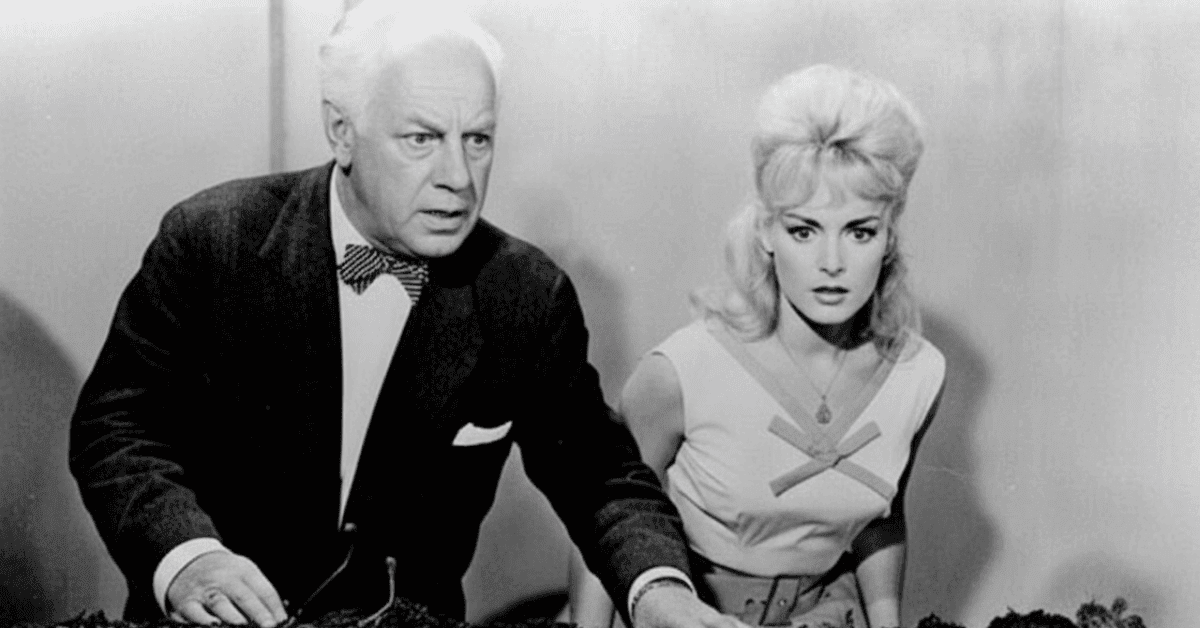
Nobody was putting Asbjørn Andersen on magazine covers, but Danish cinema would’ve had a hole in it without him. If a film needed authority, weight, or someone who looked like they’d seen things, Andersen was the one. He was everywhere—film, theater, television—and never once made it about himself. In this article, we’ll share a condensed biography of a man who helped write Denmark into world history through his contributions to cinema and the stage.
- Andersen’s Role in Danish Cinema and Theatre: Although not a magazine cover star, Asbjørn Andersen was essential to Danish cinema and theatre, providing authority, presence, and depth in performances.
- Career Beginnings and Reputation: Starting at Betty Nansen Teatret and later at the Royal Danish Theatre, Andersen built a reputation for consistency and powerful performances that commanded respect.
- Notable Film Roles and Contributions: Andersen appeared in over 70 films, playing roles such as police officers, detectives, and authority figures, which added weight to Danish films and contributed to their impact.
- Asbjørn Andersen as a Director: He directed nine films from 1946 to 1952, focusing on storytelling and craftsmanship rather than vanity, with ‘John og Irene’ being his most acclaimed work.
- Embracing Television and Final Years: Andersen adapted to television, helping legitimize the medium, and worked until 1978, demonstrating his lifelong dedication to acting and storytelling.
Asbjørn Andersen’s Profile: A Snapshot
Born 30 August 1903 in Copenhagen, he didn’t start as a star. He put in time at Betty Nansen Teatret (1926–1937), taking roles that demanded real presence.
By the time he got to the Royal Danish Theatre in 1957, nobody had to ask if he deserved to be there. Of course he did. He’d already built a reputation on consistency, power, and knowing when to step back and let a performance breathe.
Asbjørn Andersen’s Filmography
Andersen didn’t coast on charisma. He played men who ran things, men who had seen too much, men who didn’t need to raise their voice to be taken seriously. You’ve seen him even if you don’t remember his name.
He was in over 70 films, always bringing a weight to the screen that made it feel like the stakes mattered. Here are some highlights:
Selected Acting Roles:
- 1933: Med fuld musik: Played a police officer.
- 1934: Barken Margrethe af Danmark: Acted as a sailor.
- 7-9-13: Portrayed a theater guest.
- 1936:
- Snushanerne: Played a newspaper seller.
- Panserbasse: Featured as an actor rehearsing a role.
- 1940:
- Jens Langkniv: Took on the role of a priest.
- 1942:
- Regnen holdt op: Played a doctor.
- Et skud før midnat: Cast as Detective Madsen.
- 1945:
- Den usynlige hær: Featured in this wartime drama.
- 1950:
- Café Paradis: Portrayed a doctor struggling with alcoholism.
- 1961:
- Reptilicus: Played Professor Otto Martens in this cult monster movie.
- 1965:
- Næsbygaards arving: Cast as estate owner Martin Kaas.
- 1966:
- Krybskytterne på Næsbygård: Reprised his role as Martin Kaas.
- 1972:
- Olsen-bandens store kup: Played a Supreme Court attorney in this installment of the Olsen Gang series.
- 1976:
- Olsen-banden ser rødt: Portrayed Christian IV in this popular Danish comedy.
- Olsenbanden for full musikk: Appeared as Christian IV in this Norwegian adaptation.
Directorial Works:
- 1946: Op med lille Martha: Directed this comedy.
- 1948: I de lyse nætter: Directed this romantic story.
- 1949: John og Irene: Directed this film noir, considered his best work.
- 1950: Historien om Hjortholm: Directed this drama.
- 1951: Bag de røde porte: Directed this engaging comedy.
- 1952: Kærlighedsdoktoren: His final directorial venture, another comedy.
Asbjørn Andersen’s last on-screen appearances were in 1976, two years before his death:
- Olsen-banden ser rødt: Portrayed Christian IV in this Danish comedy.
- Olsenbanden for full musikk: Reprised his role as Christian IV in this Norwegian adaptation.
After these roles, Andersen retired from acting and public life.
Did Andersen Explore Director Directing?
Most actors don’t direct. Andersen directed nine films. Because why wouldn’t he?
Between 1946 and 1952, he stepped behind the camera for:
- Op med lille Martha (1946)
- I de lyse nætter (1948)
- John og Irene (1949)
Not vanity projects. Not “let’s see if I can do this.” Real films, made by a guy who knew exactly how to build a story.
The Television Shift
By the time television took over as the dominant medium, plenty of actors resisted it, thinking it was beneath them. Not Andersen. He understood where the audience was, so that’s where he went.
His presence in Danish TV also helped legitimize the medium, proving that serious performers belonged on the small screen just as much as the big one.
Conclusion About Asbjørn Andersen
Andersen didn’t fade out with a grand exit. He kept working. Right up until 10 December 1978, when he died, he was still taking roles, still showing up, still proving that it wasn’t about being celebrated—it was about doing the job.
There’s no need for over-the-top praise. Danish cinema worked because of actors like him. He didn’t need to be the face of it. He was the spine.
Frequently Asked Questions
Who was Asbjørn Andersen and what was his significance in Danish cinema?
Asbjørn Andersen was a prolific Danish actor and director whose presence and performances greatly contributed to Danish cinema and theatre, providing authority and depth to many productions without seeking fame.
What are some notable roles played by Asbjørn Andersen?
Andersen appeared in over 70 films, with notable roles including a police officer in ‘Med fuld musik’, a detective in ‘Et skud før midnat’, Professor Otto Martens in ‘Reptilicus’, and Christian IV in ‘Olsen-banden’ series.
Did Asbjørn Andersen pursue a career in directing films?
Yes, Andersen directed nine films between 1946 and 1952, including ‘John og Irene’, which is considered his best work, showing his commitment to storytelling beyond acting.
How did Asbjørn Andersen adapt to the rise of television?
Andersen embraced television as a new medium, appearing in Danish TV productions, which helped legitimize TV acting and demonstrated his understanding of where the audience was headed.
When did Asbjørn Andersen retire and how did he spend his final years?
Andersen retired after his last roles in 1976 and continued working until his death on December 10, 1978, demonstrating dedication to his craft and embodying the core of Danish cinema.