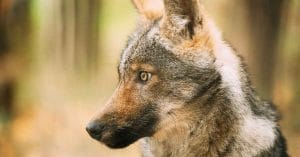
At least 61 wolf pups were born in Jutland during 2026, and the young animals are now beginning to disperse across the peninsula.
The figure comes from the researchers behind the national wolf count. As DR reported on September 25, the half-grown pups will soon start roaming.
Peter Sunde, professor at the Department of Ecoscience at Aarhus University, takes part in the national wolf monitoring. According to Sunde, the young wolves will spread into new areas and form pairs with other wolves.
Anette Reinholdt, co-founder of the group Vendsyssel Ulvelaug, told DR that authorities must prepare the public for that situation. She said she is glad Denmark has wolf pups, but wants people to feel safe knowing they are out there.

The preliminary estimate from Styrelsen for Grøn Arealomlægning og Vandmiljø puts the Danish wolf population at 77 animals for the 2026/27 monitoring year. The agency published the new numbers on September 24.
According to Politiken, the estimate covers 11 packs with pups, two wolf pairs and two solitary males. Politiken also notes that the 61 pups are a minimum, and the number may rise as more observations arrive.

Berlingske reports that the wolves are found at at least 15 sites in Jutland. These stretch from Løgumkloster in southern Jutland up to northern Jutland. Berlingske adds that the environment minister wants to regulate wolves following the new count.
As reported by TV 2, the monitoring year runs from May 1 to April 30. TV 2 describes the count as evidence that wolves are spreading in Denmark.
No information campaign planned
Styrelsen for Grøn Arealomlægning og Vandmiljø is the authority for wolves in Denmark. The agency told DR it has no plans for an information campaign about the pups.
In a written comment, office head Jens Skovager Østergaard pointed the public to the agency’s website. He said it is a good idea to read up on how to react during a wolf encounter, where a set of recommendations is available.

Sunde said the young wolves will be looking for food. He noted that sheep farmers in particular should secure their animals against attacks.
The professor said he understands the wish for more information as wolf numbers rise in Danish nature. According to Sunde, more knowledge and a few simple rules of conduct can prevent unnecessary fear.

Reinholdt said there is also a chance that wolves will enter towns. She explained that young wolves are exploring and do not know when they have entered a built-up area, calling it normal behavior for the pups.