A prize-winning Norwegian novel about Sami oppression has thrust Indigenous rights into the heart of Nordic political debate, exposing uncomfortable truths about colonialism that Denmark’s own Arctic policies can no longer avoid.
Kathrine Nedrejord’s novel Sameproblemet won Norway’s prestigious Brage Prize in late 2024. The book is more than fiction. It is an indictment. Norwegian reviewers describe it as a Sami accusation against generations of state oppression, racism and forced assimilation. For anyone living in the Nordics, especially expats who imagine these countries as progressive havens, the book lands like a wake-up call.
I have watched Denmark pride itself on human rights while maintaining a complex, often troubled relationship with Greenland. Norway’s Sami reckoning holds up a mirror. The Sami are the only officially recognised Indigenous people in Norway, Sweden and Finland. Their population in Norway alone is estimated at 40,000 to 60,000, though no one knows for sure because ethnicity is not registered. That uncertainty is itself a legacy of assimilation policies that made many Sami hide their identity.
When the courts said stop but the turbines kept spinning
The 2021 Norwegian Supreme Court ruling on Fosen changed everything. The court declared that two large wind farms violated Sami reindeer herders’ rights under international law. The turbines, however, kept running. Protests erupted in Oslo in 2023 and 2024. Activists blocked government buildings. The images ricocheted across European media.
For expats working in energy, climate policy or Nordic institutions, Fosen became impossible to ignore. Green energy collided head-on with Indigenous rights. Norway’s reputation as a climate leader and human rights champion suddenly looked shakier. The government has negotiated partial compensation, but disputes over dismantling the wind farms continue.
A novel that is also a weapon
Nedrejord’s Sameproblemet arrived in October 2024, just as public anger was boiling over. The 394-page novel weaves intimate family stories with the machinery of colonial power. As noted by the literary journal Vinduet, the book offers a deeply empathetic portrait of colonial subjects confronting racism and oppression. A Norwegian teaching guide points out that prejudice against the Sami remains widespread today, and that the book challenges Norwegian society in a critical way.
Sami children were once punished for speaking their language at school. Christianisation campaigns targeted traditional beliefs. Reindeer herders lost grazing land to farms, roads and now wind turbines. All of this is in the novel. It is also in living memory. That is the point.
The book won the Brage Prize, one of Norway’s top literary honours, amplifying its reach. For an international audience, especially those of us who work in or report on the Nordics, it is a reminder that colonial history is not distant or foreign. It is here.
Language rights on paper, enforcement in question
Norway has formal protections. The Sami Act guarantees language rights. Three Sami languages are in active use: North, Lule and South Sami. Sami pupils have the right to education in their language anywhere in the country. Public bodies in designated administrative areas must provide services in Sami and work actively to strengthen its use.
Yet Sami organisations say implementation is slow and inconsistent. Legal rights mean little if schools lack teachers or local councils drag their feet. The gap between legislation and reality fuels frustration.
What this means for Denmark and expats here
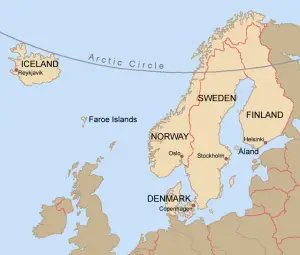
Denmark faces its own version of these questions in Greenland and the Faroe Islands. Resource extraction, military bases and climate policy all touch on Indigenous self-determination and historical injustice. The parallels are obvious to anyone paying attention. Sami activists and Greenlandic Inuit leaders talk to each other. They compare notes.
For expats working in Nordic universities, NGOs, shipping or Arctic research, ignorance is no longer an excuse. Corporate ESG standards increasingly require consultation with Indigenous communities. Funding bodies demand impact assessments. Ignoring Sami or Greenlandic voices can sink projects or damage reputations.
The practical step is simple: educate yourself. Read Sami sources. Follow Sami parliamentary statements. Understand that Denmark’s Arctic policies are watched just as closely as Norway’s wind farms. The Nordic self-image as enlightened and egalitarian is under scrutiny. Sameproblemet is part of that scrutiny. The question now is whether governments, companies and individuals will listen.