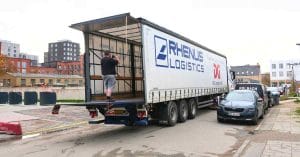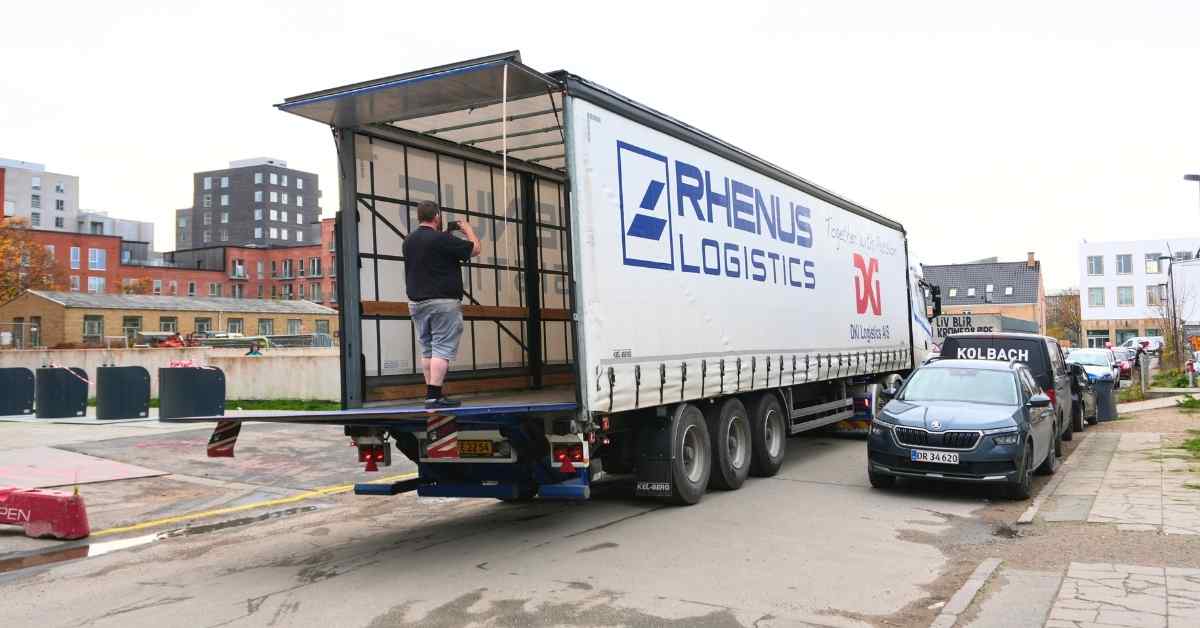
A 90-metre wind turbine blade crawled across Denmark under police escort in early June, forcing night-time road closures and detours that highlight how the country’s accelerating green transition is colliding with everyday life for Danes and expats alike.
The massive component, one of the largest ever moved overland in Denmark, required special permits and careful coordination through multiple municipalities. Police asked drivers to show patience and respect temporary closures as the convoy navigated motorway junctions and small local roads. The transport captured national attention not because it was unique but because these operations are becoming more frequent and more visible.
Denmark is racing to double its offshore wind capacity by the mid 2030s. The government has politically committed to expanding installed capacity to around 14 gigawatts or more, up from roughly 8.2 gigawatts today. Wind already covers between 55 and 60 percent of national electricity consumption in a typical year. But that success comes with a logistical cost that lands hardest on communities along the handful of transport corridors linking ports to installation sites.
When Giant Blades Meet Small Roads
Modern offshore turbines use blades over 100 metres long. A single blade can span several town blocks when turning through a junction. These components travel at night or in the early morning hours to minimize disruption, but they still force closures of motorway exits, rural roads and rail crossings. Logistics companies now use digital mapping and temporary removal of road signs and lamp posts to secure safe passage.
I have watched Denmark’s wind industry grow for years. What has changed is the scale. The turbines just keep getting bigger, and the country’s road network was not designed for components of this size. Each heavy transport requires specific dispensation from the Danish Road Directorate and coordination with local police, emergency services and municipalities.
The Expat Blind Spot
Expats living in satellite towns around Aarhus, Aalborg or Esbjerg often miss these disruptions until they happen. Detailed information appears mainly in Danish on municipal websites and local SMS alerts. International residents frequently report finding blocked roads, cancelled buses or unexpected noise at night without advance warning. One expat quoted in regional media summed it up bluntly: no one told us in English that our main road would be closed twice in one week.
Denmark concentrates its wind logistics through a small number of major ports. Esbjerg, Aarhus, Grenaa and Nakskov handle most of the heavy lifting. That concentration means disruption falls repeatedly on the same areas, many of which employ large numbers of internationals in energy, manufacturing and logistics roles.
A Necessary Price or Poor Planning?
Supporters argue these transports are a visible but necessary part of Denmark’s climate commitments. The wind sector is a major employer, and moving large components efficiently keeps jobs and investment in the country. Politicians from across the centre say short term traffic disruption is a small price for long term energy security.
Critics focus on strain rather than opposition. Residents complain about night time noise and flashing lights. Business owners say deliveries and shift work get disrupted when main roads close in the early hours. Planning experts warn that Denmark has not fully adapted its transport rules to a world of 100 metre blades, which sometimes require removing roadside trees or walls to allow passage.
How to Stay Ahead
Police and the Danish Road Directorate announce major transports a few days in advance on their websites and social media. Municipalities share updates on bus detours and closed stops. Most detailed information is in Danish, but automatic translation makes short notices relatively easy to understand. Checking evening updates from Vejdirektoratet, local police districts and Rejseplanen can help avoid surprises.
Employers in wind industry zones sometimes coordinate directly with staff when big transports will affect shift times. Expats should ensure HR has current contact details and subscribe to internal alerts. On a practical level, plan flexible departure times and avoid parking on narrow streets when notified.
Denmark faces these challenges earlier than its neighbours because it is a wind energy pioneer. But similar issues are now appearing in Germany, the Netherlands and the UK as turbine sizes grow. Looking ahead, decisions about where to locate new factories and ports will shape which communities see the most frequent convoys of gigantic turbine parts rumbling past their doors in the middle of the night.